
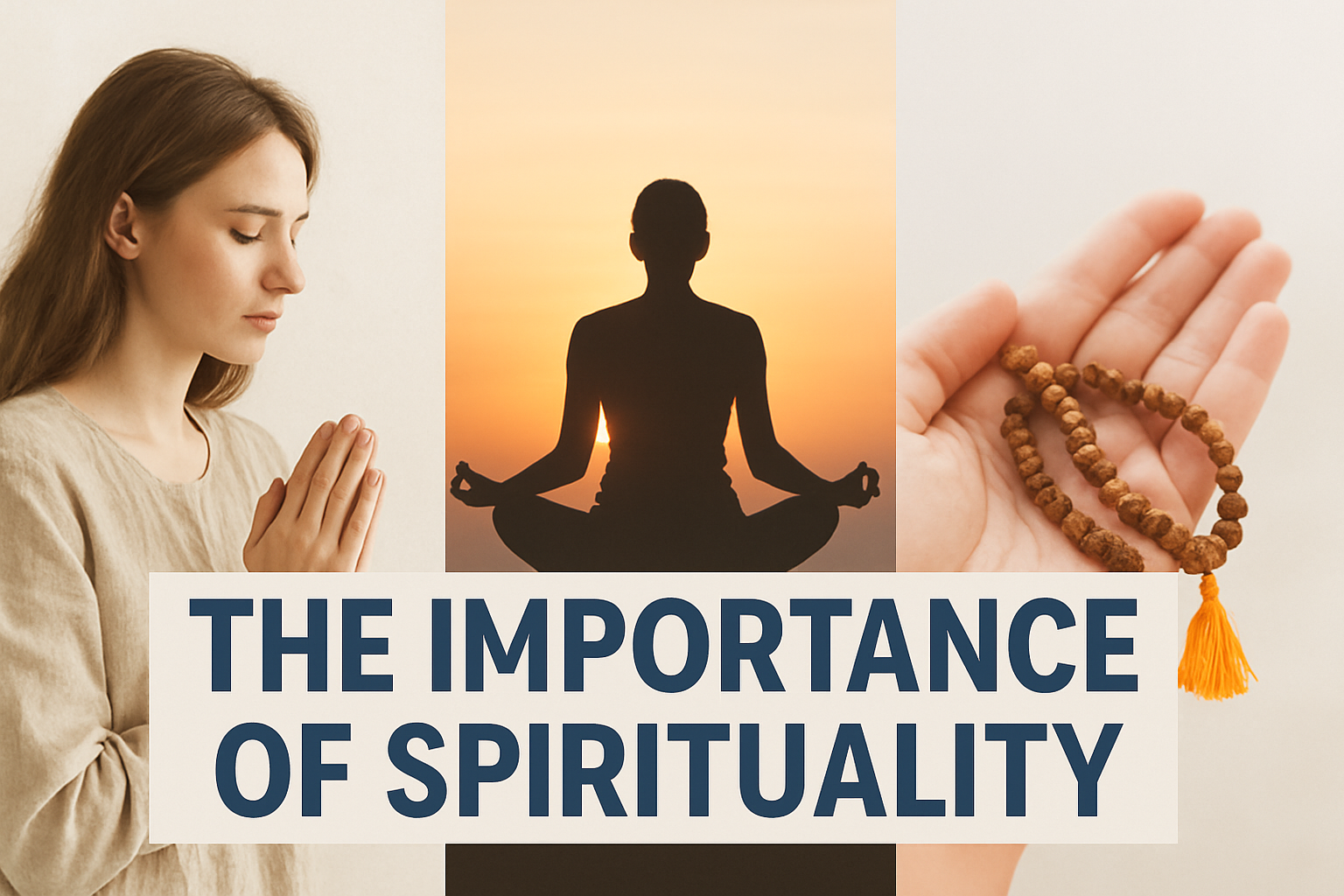
Spirituality is one of the most profound and timeless aspects of human existence. Whether expressed through religion, meditation, nature, energy awareness, or personal growth, spirituality provides a deeper sense of meaning and purpose beyond the physical world. In our fast-moving modern era—filled with stress, technology, and constant noise—the need for inner connection has become even more essential.
This comprehensive article explores the meaning of spirituality, its role in modern life, the science behind spiritual well-being, daily practices, and how spirituality transforms your mental, emotional, and physical health.
1. Understanding Spirituality: Beyond Religion and Rituals
Spirituality is commonly misunderstood as being limited to religious faith or strict rituals. While religion can be a part of spirituality, the concept goes far beyond that. At its core, spirituality refers to:
- Connecting with your inner self
- Experiencing oneness with the universe
- Finding purpose and meaning in life
- Living through values such as love, compassion, peace, and truth
- Understanding life beyond material desires
Spirituality allows individuals to explore who they are beyond ego, identity, achievements, or possessions. It is a journey of awakening—becoming aware of your thoughts, emotions, actions, and the energy that binds everything together.
Many describe spirituality as “coming home” to oneself.
2. Why Spirituality Matters in the Modern World
We live in an age of unprecedented convenience—and unprecedented stress. Technology connects us globally, but many people feel lonely, anxious, or emotionally disconnected. Despite rapid progress, depression rates are rising, and most people describe life as overwhelming.
This is where spirituality becomes essential.
How Spirituality Helps in Modern Life
- It reduces stress and anxiety
- Supports emotional resilience
- Improves mental clarity
- Strengthens relationships
- Encourages compassion and empathy
- Helps people cope with uncertainty
- Builds inner peace and self-control
- Enhances creativity and intuition
Spirituality brings balance to a chaotic lifestyle. It reminds us of what truly matters: love, peace, connection, purpose, and inner fulfillment.
3. The Science Behind Spiritual Practices
Modern scientific research now supports what ancient traditions taught thousands of years ago: spiritual practices transform the brain, body, and emotions.
Neuroscience and Spirituality
- Meditation increases gray matter in areas of emotional regulation.
- Prayer activates the brain’s compassion and empathy centers.
- Mindfulness reduces activity in the stress-related amygdala.
- Gratitude rewires neural pathways to increase happiness.
Physical Health Benefits
Spiritual practices have been shown to:
- Lower blood pressure
- Reduce inflammation
- Improve sleep quality
- Strengthen immune function
- Reduce the risk of heart disease
The body and mind respond powerfully to inner calmness and emotional balance.
4. The Different Paths of Spirituality
Not everyone connects spiritually in the same way. There are multiple paths—and all are valid.
1. Mind-Based Spirituality
Focused on awareness, mindfulness, meditation, inquiry, and understanding thought patterns.
2. Heart-Based Spirituality
Centered on love, compassion, gratitude, forgiveness, and emotional healing.
3. Nature-Based Spirituality
Finding connection through forests, oceans, mountains, plants, and animals.
4. Body-Based Spirituality
Using yoga, breathwork, chakra healing, energy movement, and holistic healing.
5. Devotional Spirituality
Connecting with divine energy through prayer, chanting, rituals, and faith-based practices.
6. Service-Based Spirituality
Seeing spirituality as helping others, offering kindness, or uplifting humanity.
Each person discovers their path based on inner alignment, intuition, and life experiences.
5. The Core Principles of Spiritual Growth
Every spiritual tradition—Eastern or Western—shares certain universal principles:
1. Awareness
The ability to observe your own thoughts, emotions, and reactions without being controlled by them.
2. Presence
Living in the now instead of worrying about the past or future.
3. Compassion
Understanding and caring for others without judgment.
4. Detachment
Letting go of excess attachment to material possessions, ego, or expectations.
5. Gratitude
Recognizing the beauty and blessings already present in life.
6. Purpose
Aligning actions with something deeper and more meaningful.
These principles form the foundation of an awakened, balanced, and peaceful life.
6. Signs You Are Becoming More Spiritual
Spiritual awakening does not happen overnight. It unfolds gradually, often through subtle shifts in perception.
You may be experiencing spiritual growth if you:
- Feel a deeper desire for peace and simplicity
- Become more introspective
- Lose interest in drama, gossip, or negativity
- Seek meaningful relationships over superficial ones
- Feel more connected to nature
- Become more compassionate and patient
- Value experiences more than possessions
- Notice synchronicities or meaningful coincidences
Spiritual growth transforms how you view yourself, others, and the world.
7. How Spirituality Impacts Mental Health
Many psychologists now include spiritual tools in therapy because they provide powerful emotional healing.
Spiritual Benefits for Mental Health
- Reduces symptoms of anxiety and depression
- Builds emotional stability
- Helps release past trauma
- Strengthens self-esteem
- Encourages acceptance and surrender
- Improves emotional intelligence
- Creates a sense of belonging
People who follow spiritual practices often feel more grounded, centered, and emotionally balanced.
8. Spiritual Practices You Can Start Today
You do not need to follow a strict schedule or complicated rituals. Simple, small practices can create profound transformation.
1. Meditation (10 minutes daily)
Helps calm the mind, improves concentration, and strengthens inner awareness.
2. Gratitude Journal
Write three things you’re grateful for each morning or night.
3. Mindful Breathing
Inhale deeply for 4 seconds, hold for 4, exhale for 4 — just five cycles can reduce stress instantly.
4. Nature Walks
Sit under a tree, breathe, or observe the sky. Nature naturally heals and recenters the soul.
5. Affirmations
Powerful statements such as:
“I am at peace.”
“I am connected to my higher self.”
“I trust the journey.”
6. Prayer or Devotion
Regardless of religion, communicating with a higher power brings comfort and clarity.
7. Acts of Kindness
Helping someone without expecting anything in return is a pure spiritual practice.
8. Mindful Eating
Being fully present while eating connects body, mind, and senses.
9. Silence
Spend 5–10 minutes a day in total quiet—no phone, no noise. Silence is deeply healing.

9. The Role of Spirituality in Relationships
Spirituality brings harmony to relationships by encouraging:
- Better communication
- More empathy
- Emotional maturity
- Non-judgment
- Generosity and forgiveness
- Deeper connection
When individuals grow spiritually, they become more conscious of their words, behaviors, and actions—creating healthier, more fulfilling relationships.
10. Spirituality and Life Purpose
Human beings have an inner need to live meaningfully. Spirituality helps you uncover:
- What truly matters to you
- What gifts and talents you possess
- How you can contribute to the world
- What gives you lasting joy
- What your soul feels aligned with
Purpose is not found in external achievements—it emerges from inner clarity.
11. Common Myths About Spirituality
Myth 1: Spiritual people avoid real life
Truth: Spirituality helps you engage with real life more wisely.
Myth 2: You must follow a religion to be spiritual
Truth: Spirituality is personal, not institutional.
Myth 3: Spiritual people never feel anger or sadness
Truth: Spirituality teaches you how to manage emotions, not suppress them.
Myth 4: Spirituality is only for older people
Truth: Young people worldwide are increasingly embracing spiritual growth.
12. The Journey of Spiritual Awakening
Spiritual awakening is not a single moment—it is a lifelong journey. It typically includes:
- Curiosity
- Self-reflection
- Seeking deeper meaning
- Facing inner shadows
- Letting go
- Transformation
- Awareness and peace
There may be challenges, doubts, or emotional shifts—but each stage brings clarity, freedom, and inner strength.
13. How to Stay Consistent on Your Spiritual Path
Consistency is more important than intensity.
Tips to Stay on Track
- Start with small practices
- Create a peaceful space at home
- Set morning or evening rituals
- Limit toxic influences
- Surround yourself with positive energy
- Follow your intuition
- Be patient with yourself
Spirituality is a gentle unfolding, not a race.

14. Final Thoughts: The Transformative
Spirituality is not an escape from life—it is a deeper way of experiencing it. It helps you understand yourself, connect with others, appreciate the present moment, and navigate challenges with grace.
Whether you explore meditation, gratitude, prayer, nature, or self-reflection, has the to transform your life from the inside out.