
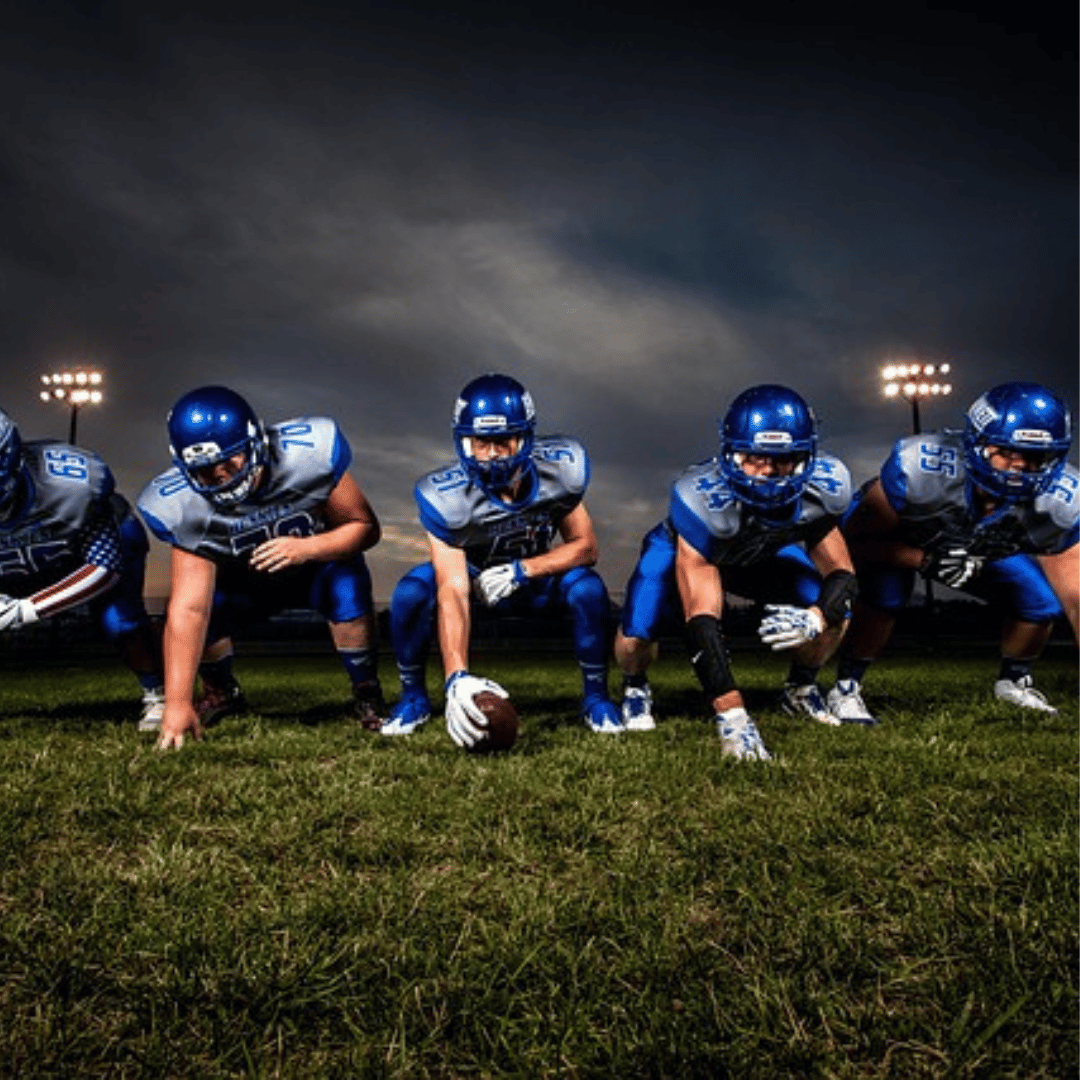
Few college football programs in the United States have transformed their identity as dramatically as Oregon football. From a regional program with limited national recognition to one of the most innovative, visually iconic, and competitive teams in college athletics, the Oregon Ducks have built a brand that extends far beyond the Pacific Northwest.
Known for speed, innovation, and bold style, Oregon football represents a modern approach to the sport—one that blends tradition with constant evolution. This article explores the history of Oregon football, its defining moments, coaching philosophy, recruiting success, fan culture, and what the future holds for the Ducks.
The Early History of Oregon Football
The University of Oregon football program dates back to 1894, making it one of the oldest in the country. For much of its early history, Oregon was a competitive but largely regional team, often overshadowed by national powerhouses from the Midwest and East.
Throughout the first half of the 20th century, Oregon experienced periods of success, including conference titles and bowl appearances, but consistency was elusive. The program competed in what is now the Pac-12 Conference, facing rivals like USC, UCLA, Washington, and Stanford.
While Oregon had respectable seasons and loyal fan support, it had not yet become a national brand.
The Turning Point: A New Identity Emerges
The true transformation of Oregon football began in the late 1990s and early 2000s. Several factors contributed to this shift:
Phil Knight and Nike Influence
Perhaps no single figure has had a greater impact on Oregon football than Phil Knight, co-founder of Nike and an Oregon alumnus. His financial support and branding vision helped elevate the program’s facilities, uniforms, and national profile.
Oregon became synonymous with cutting-edge uniform designs, frequently unveiling new looks that captured attention across college football. While controversial to some traditionalists, the strategy helped Oregon stand out and attract recruits.
Modern Facilities
State-of-the-art training centers, locker rooms, and performance facilities positioned Oregon as a destination for elite athletes. Investment in infrastructure signaled the university’s commitment to football excellence.
The Chip Kelly Era: Speed Redefined
Oregon football truly entered the national spotlight under head coach Chip Kelly (2009–2012). Kelly introduced a fast-paced, no-huddle spread offense that revolutionized college football.
Offensive Innovation
Oregon’s offense under Kelly focused on:
- Extreme tempo
- Simple yet explosive play designs
- Conditioning and speed
- Constant pressure on opposing defenses
This approach allowed Oregon to overwhelm teams before they could adjust.
National Success
During this era, Oregon:
- Won multiple Pac-12 titles
- Appeared in the 2011 BCS National Championship Game
- Consistently ranked among the top teams nationally
- Produced Heisman Trophy finalists
The Ducks became must-watch television, earning a reputation as one of the most exciting teams in the sport.
Oregon Football After Chip Kelly
Following Kelly’s departure to the NFL, Oregon experienced a period of transition. While the program remained competitive, coaching changes and roster turnover led to inconsistency.
However, Oregon’s strong foundation—facilities, recruiting pipelines, and national brand—allowed it to rebound more quickly than many programs would after such upheaval.
Recruiting: Speed, Skill, and National Reach
One of Oregon football’s greatest strengths is its recruiting strategy.
National and International Recruiting
Unlike many programs that rely heavily on local talent, Oregon recruits nationally—and even internationally. Speed and athletic versatility are prioritized across all positions.
Skill Position Excellence
Oregon has consistently produced elite:
- Wide receivers
- Running backs
- Defensive backs
- Quarterbacks suited for modern offenses
The program’s emphasis on athleticism aligns with its up-tempo philosophy.
Brand Appeal
Oregon’s modern image, facilities, and exposure attract players who want:
- Visibility
- Development
- A unique college football experience
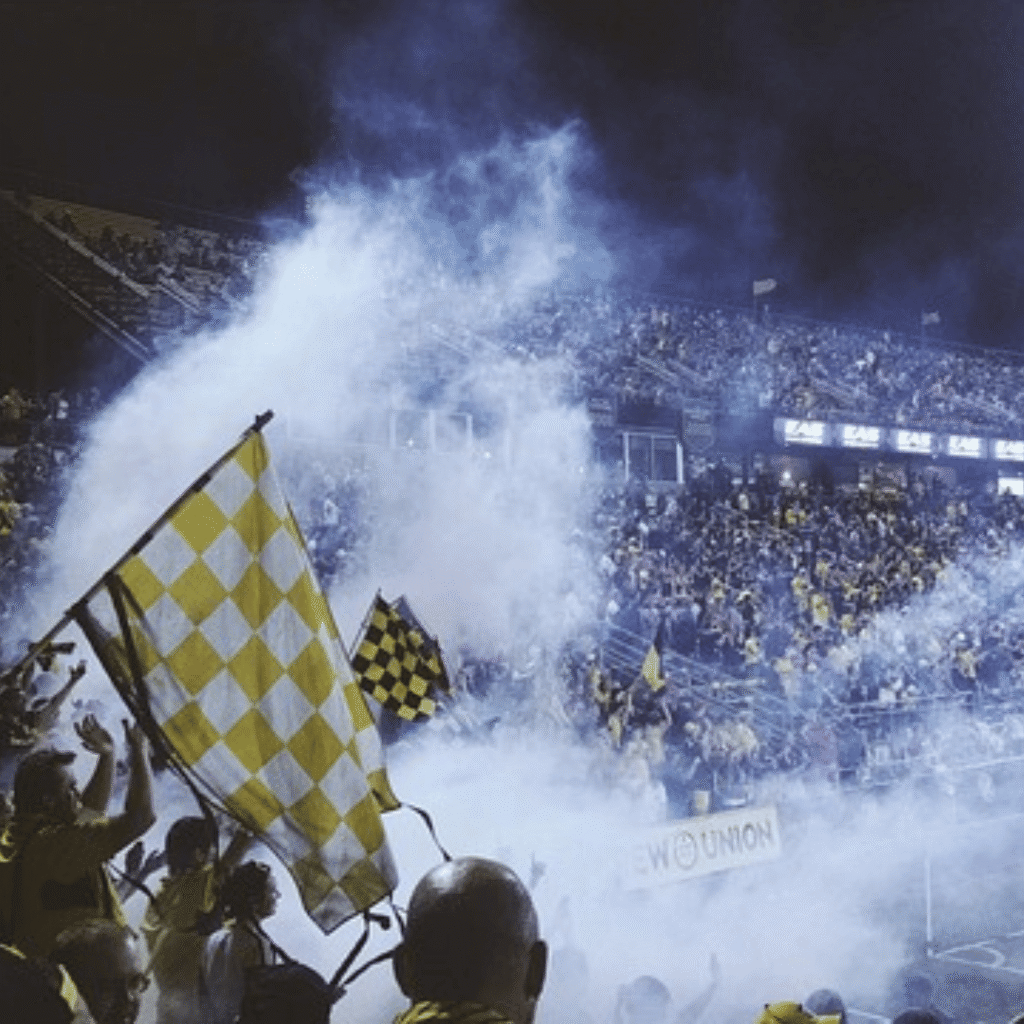
Autzen Stadium: One of College Football’s Toughest Venues
Autzen Stadium, located in Eugene, Oregon, is widely regarded as one of the loudest and most intimidating venues in college football—despite its relatively modest seating capacity.
Why Autzen Is Special
- Fans are extremely close to the field
- Crowd noise is amplified by stadium design
- Oregon fans are known for intensity and loyalty
- Night games create a particularly electric atmosphere
Opposing teams frequently cite Autzen as one of the toughest places to play.
Rivalries That Define Oregon Football
Oregon vs. Washington
The rivalry with the Washington Huskies is the most intense and historic for Oregon. Often referred to as the “Border War,” this matchup carries deep emotional weight for fans on both sides.
Oregon vs. Oregon State
The in-state rivalry, commonly known as the Civil War, is another cornerstone of Oregon football culture. While competitive balance has shifted over time, the game remains one of the most anticipated events each season.
Oregon’s Defensive Evolution
While Oregon was long known for offense, recent years have seen increased emphasis on defense.
Modern Oregon defenses focus on:
- Speed over size
- Aggressive pass rush schemes
- Versatile linebackers
- Ball-hawking secondary play
This balanced approach has helped Oregon remain competitive against more physical programs.
Conference Realignment and the Big Ten Move
One of the most significant developments in recent Oregon football history is the program’s move from the Pac-12 to the Big Ten Conference.
What the Move Means
- Increased national exposure
- Access to larger television markets
- Regular games against traditional powerhouses
- Stronger recruiting opportunities in the Midwest
While the move represents a cultural shift, it positions Oregon for long-term relevance in the evolving college football landscape.
NFL Success and Player Development
Oregon football has produced numerous NFL players across all positions. Alumni have gone on to successful professional careers, reinforcing the program’s reputation for player development.
Former Ducks have excelled as:
- Quarterbacks
- Offensive linemen
- Defensive stars
- Special teams contributors
This success helps reinforce trust among recruits and families.
Fan Culture and the Oregon Identity
Oregon football fans embrace a culture built on:
- Innovation
- Energy
- Community pride
- National ambition
From uniform reveals to game-day traditions, Oregon fans celebrate a program that refuses to be ordinary.
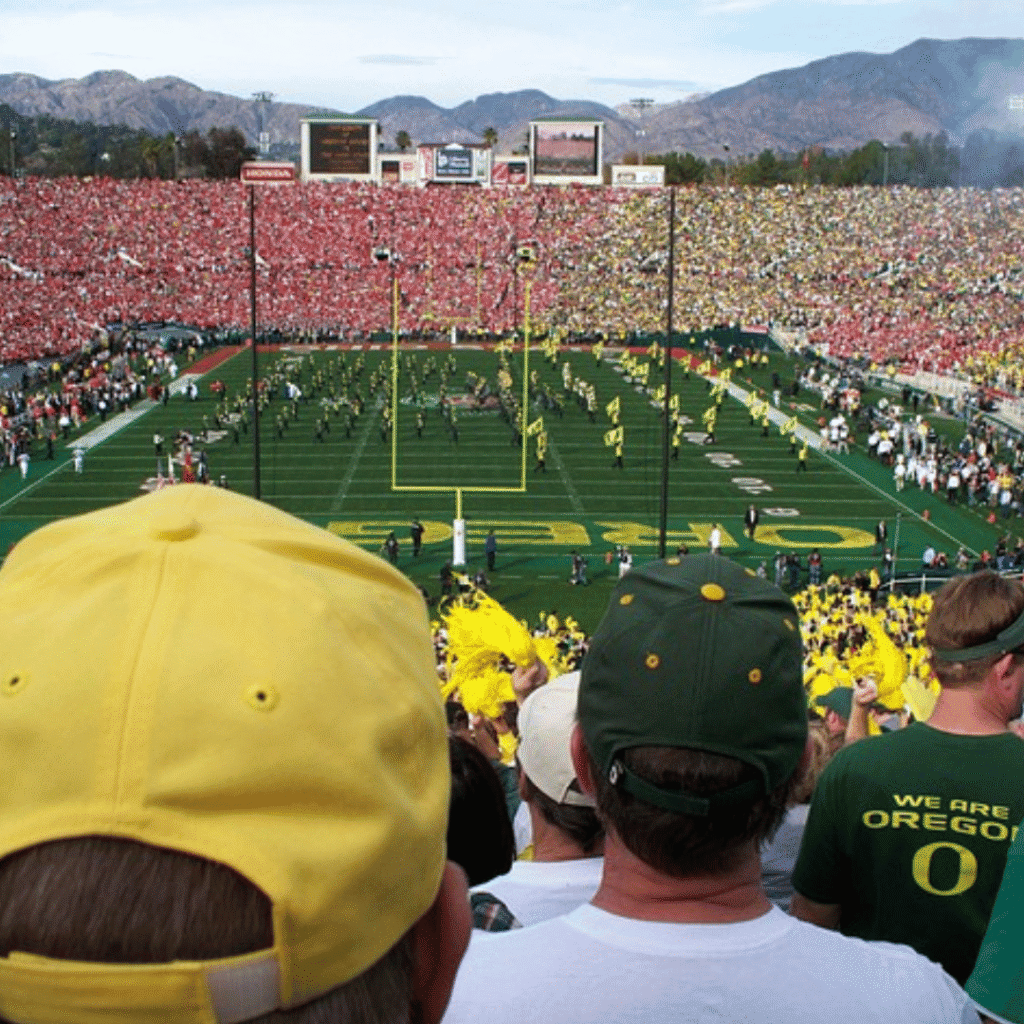
The Future of Oregon Football
Looking ahead, Oregon football appears well-positioned for continued success.
Key Strengths
- Strong recruiting pipelines
- Elite facilities
- National brand recognition
- Strategic conference alignment
Challenges
- Increased competition in the Big Ten
- Maintaining consistency across coaching transitions
- Balancing tradition with innovation
If Oregon continues to adapt while staying true to its identity, it has the potential to compete for national championships in the coming era of college football.
Final Thoughts
Oregon football is a testament to what vision, innovation, and commitment can achieve. From humble beginnings to national prominence, the Ducks have reshaped how college football is played, marketed, and experienced.
Whether through high-speed offenses, bold uniforms, or passionate fan support, Oregon has carved out a unique place in the sport’s history. As college football continues to evolve, one thing is certain: Oregon football will remain at the forefront of that evolution.