
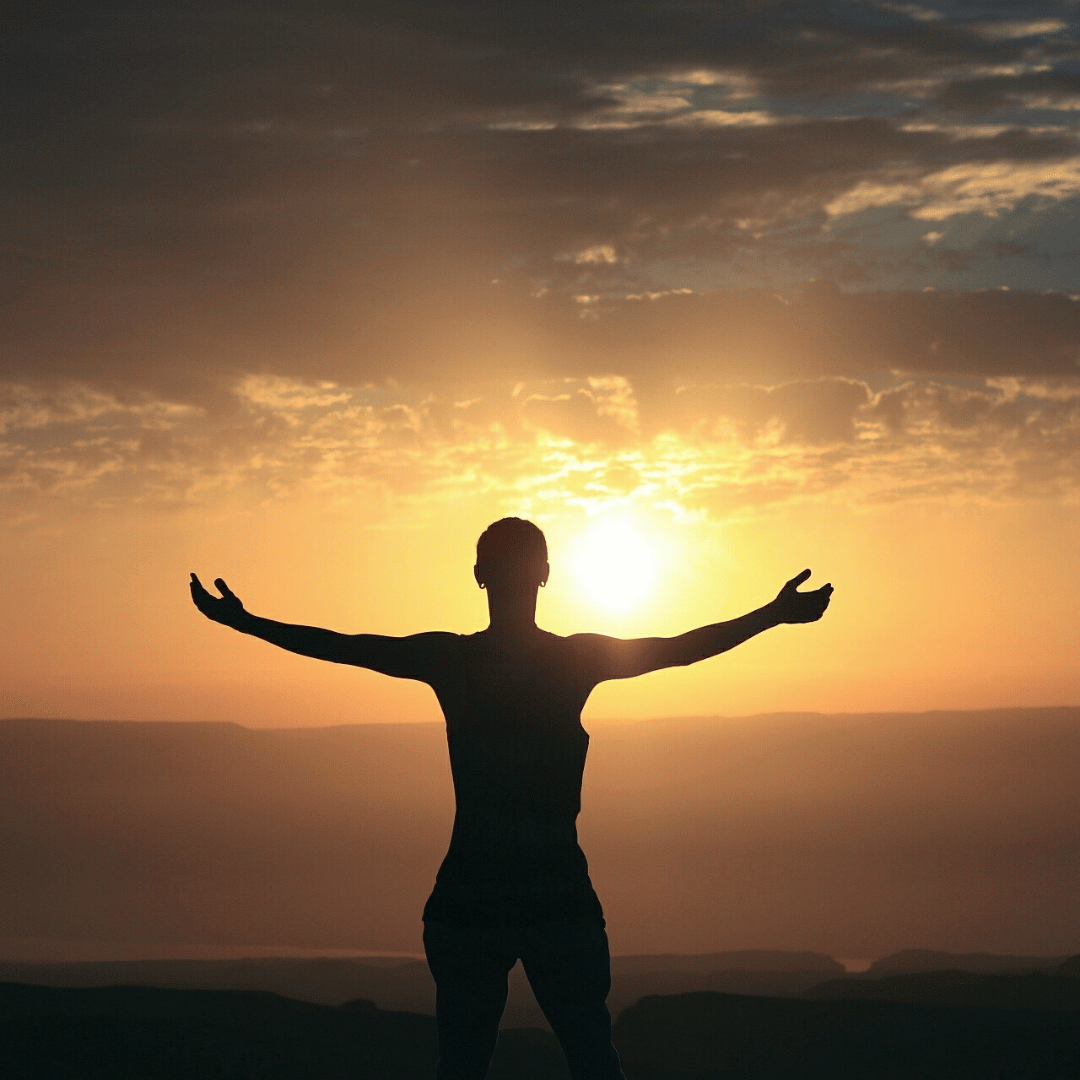
Understanding what spirituality means has become increasingly important in today’s fast-paced and stressful world. Many people are searching for deeper meaning, inner peace, and emotional balance. Some turn to religion, while others embrace spirituality as a personal and flexible approach to life.
But what does spirituality truly mean? And what happens when someone decides to make spirituality a lifestyle?
This article explores the meaning of spirituality, its key principles, and the advantages and disadvantages of adopting it as a way of life.
What Spirituality Means
To understand what spirituality means, we must first separate it from religion.
Spirituality refers to a personal journey of seeking purpose, connection, and inner growth. It often involves:
- Self-awareness
- Mindfulness
- Compassion
- A sense of connection to something greater
- Inner peace
Unlike organized religion, spirituality does not require specific rituals, institutions, or doctrines. It is deeply personal and varies from person to person.
For some, spirituality means connecting with nature. For others, it means meditation, prayer, yoga, or practicing gratitude. At its core, spirituality is about understanding oneself and one’s place in the universe.
The Core Elements of Spirituality
When discussing what spirituality means, several common elements appear:
1. Self-Reflection
Spirituality encourages introspection. People reflect on their thoughts, behaviors, and emotions.
2. Purpose and Meaning
Spiritual individuals often seek a deeper life purpose beyond material success.
3. Mindfulness
Living in the present moment is central to many spiritual practices.
4. Compassion and Empathy
Spiritual growth often increases kindness toward others.
5. Inner Peace
Many pursue spirituality to reduce stress and achieve emotional balance.
Spirituality vs Religion
While spirituality and religion can overlap, they are not identical.
| Spirituality | Religion |
|---|---|
| Personal experience | Organized structure |
| Flexible beliefs | Defined doctrines |
| Individual journey | Community-based worship |
| Focus on inner growth | Focus on traditions |
A person can be spiritual without being religious, religious without being spiritual, or both.
Why People Choose Spirituality as a Lifestyle
Many individuals move beyond occasional spiritual practice and make it a daily lifestyle. This may include:
- Daily meditation
- Gratitude journaling
- Conscious living
- Ethical decision-making
- Minimalism
- Service to others
When spirituality becomes a lifestyle, it influences career choices, relationships, habits, and long-term goals.
Advantages of Making Spirituality a Lifestyle
There are many benefits associated with embracing spirituality fully.
1. Improved Mental and Emotional Well-Being
Spiritual practices like meditation and mindfulness reduce stress and anxiety. Studies show that people who engage in spiritual reflection often experience:
- Lower stress levels
- Better emotional regulation
- Reduced depression symptoms
- Greater resilience
A spiritual lifestyle promotes calmness and clarity.
2. Stronger Sense of Purpose
Understanding what spirituality means often leads individuals to discover their life purpose. This can result in:
- Increased motivation
- Greater life satisfaction
- Clearer goals
- More meaningful relationships
Purpose-driven individuals often feel more fulfilled.
3. Better Relationships
Spiritual values encourage compassion, forgiveness, and empathy. This strengthens relationships with:
- Family
- Friends
- Colleagues
- Community members
When spirituality guides behavior, conflicts are often handled more peacefully.
4. Greater Self-Awareness
Spirituality promotes understanding your:
- Strengths
- Weaknesses
- Emotional triggers
- Behavioral patterns
This awareness helps with personal growth and decision-making.
5. Reduced Materialism
Spiritual individuals often prioritize experiences over possessions. This can lead to:
- Financial simplicity
- Less consumer stress
- Increased gratitude
Minimalism is frequently associated with spiritual living.
6. Physical Health Benefits
Some research suggests spiritual practices may contribute to:
- Lower blood pressure
- Better sleep
- Improved immune response
- Healthier lifestyle choices
While spirituality is not medical treatment, it can complement wellness.
7. Enhanced Coping During Crisis
In times of loss or hardship, spirituality provides comfort. Many find:
- Hope during uncertainty
- Meaning during suffering
- Strength in adversity
Spiritual beliefs often help individuals navigate grief and life transitions.
Disadvantages of Making Spirituality a Lifestyle
While there are many advantages, it is important to consider potential downsides.
1. Risk of Escapism
Some individuals may use spirituality to avoid real-world responsibilities. Instead of addressing problems directly, they may:
- Avoid difficult conversations
- Ignore practical solutions
- Rely solely on positive thinking
Spirituality should not replace action.
2. Financial Exploitation
The spiritual industry can sometimes promote expensive:
- Retreats
- Workshops
- Coaching programs
- Products
Some people may spend excessive money chasing enlightenment.
3. Social Isolation
If spirituality becomes extreme, individuals may withdraw from friends or family who do not share similar beliefs.
This can lead to loneliness and misunderstanding.
4. Spiritual Bypassing
“Spiritual bypassing” occurs when people use spiritual concepts to avoid dealing with emotional pain.
For example:
- Ignoring trauma
- Suppressing anger
- Pretending everything is positive
True growth requires emotional honesty.
5. Lack of Structure
Because spirituality is flexible, some people may feel lost without clear guidance. Unlike organized religion, spirituality does not always provide:
- Defined rules
- Community structure
- Accountability
This can make consistent practice difficult.
6. Confusion Between Belief and Reality
In extreme cases, intense spiritual practices without balance can blur the line between personal belief and objective reality. It is important to remain grounded.
Is Spirituality Suitable for Everyone?
Not necessarily.
Some people prefer structured religious systems. Others may focus on philosophy, psychology, or science for meaning.
Understanding what spirituality means helps individuals decide whether it aligns with their personality and goals.
How to Make Spirituality a Balanced Lifestyle
If you decide to embrace spirituality, balance is essential.
1. Stay Grounded
Combine spiritual reflection with practical decision-making.
2. Maintain Relationships
Respect others’ beliefs and maintain social connections.
3. Seek Reliable Information
Be cautious of misinformation or financial exploitation.
4. Address Emotional Issues Honestly
Do not use spirituality to avoid therapy if needed.
5. Create Daily Practices
Small habits like meditation or journaling create consistency.
Practical Spiritual Habits to Try
- 10-minute daily meditation
- Gratitude journaling
- Nature walks
- Mindful breathing exercises
- Acts of kindness
- Digital detox periods
These habits help integrate spirituality into everyday life.
Spirituality in Modern Society
Today, spirituality is growing in popularity due to:
- Rising stress levels
- Fast-paced digital life
- Desire for authenticity
- Mental health awareness
Many people seek meaning beyond career success and social media validation.
Final Thoughts: What Spirituality Means in Everyday Life
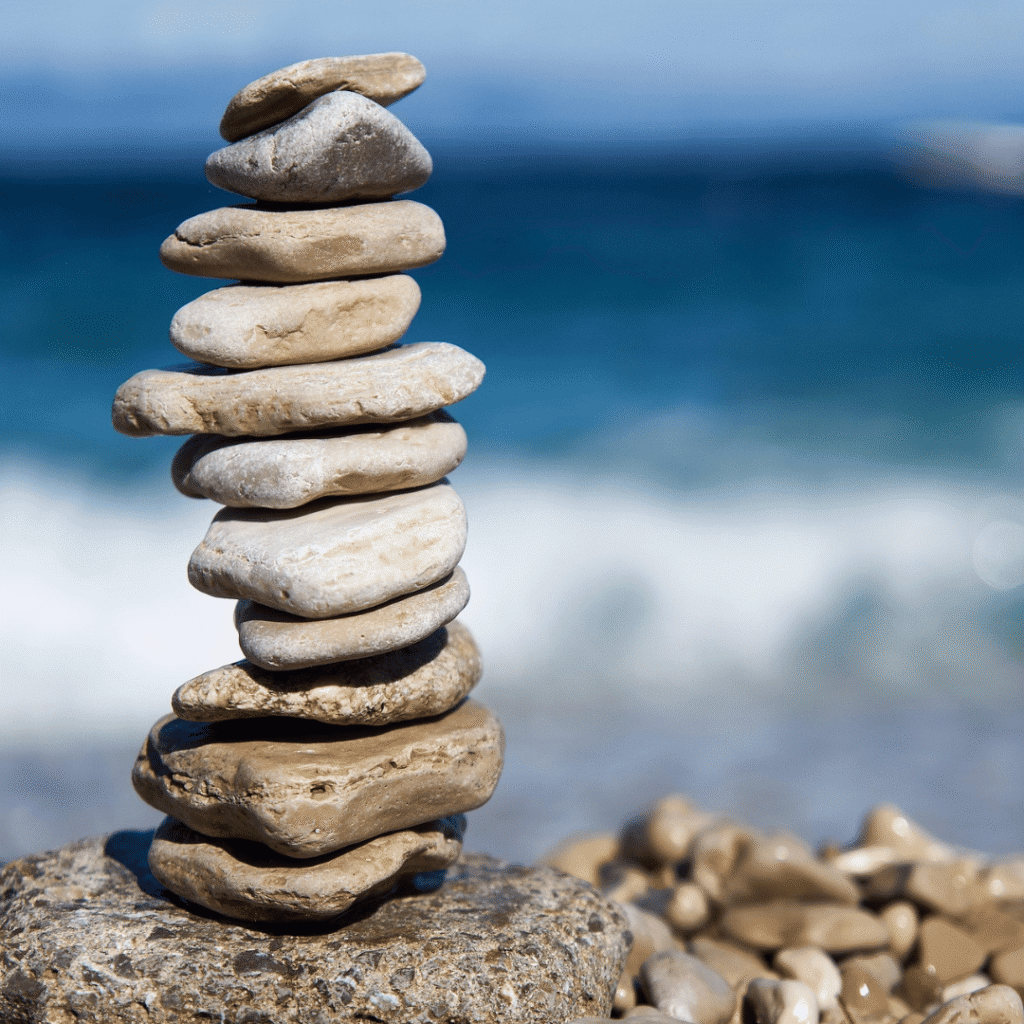
At its core, what spirituality means is different for everyone. For others, it is mindfulness. For many, it is a journey of self-discovery.
Making spirituality a lifestyle offers powerful advantages such as emotional balance, purpose, and improved relationships. However, it also carries potential disadvantages, including escapism or isolation, if not practiced responsibly.
The key is balance.
Spirituality should enhance life—not replace practical responsibility or critical thinking.
When approached thoughtfully, spirituality can be a transformative and enriching way to live.
Disclaimer
This article is for informational and educational purposes only. Spiritual practices should not replace professional medical, psychological, or psychiatric care. If you are experiencing mental health challenges, seek support from a qualified healthcare professional.