
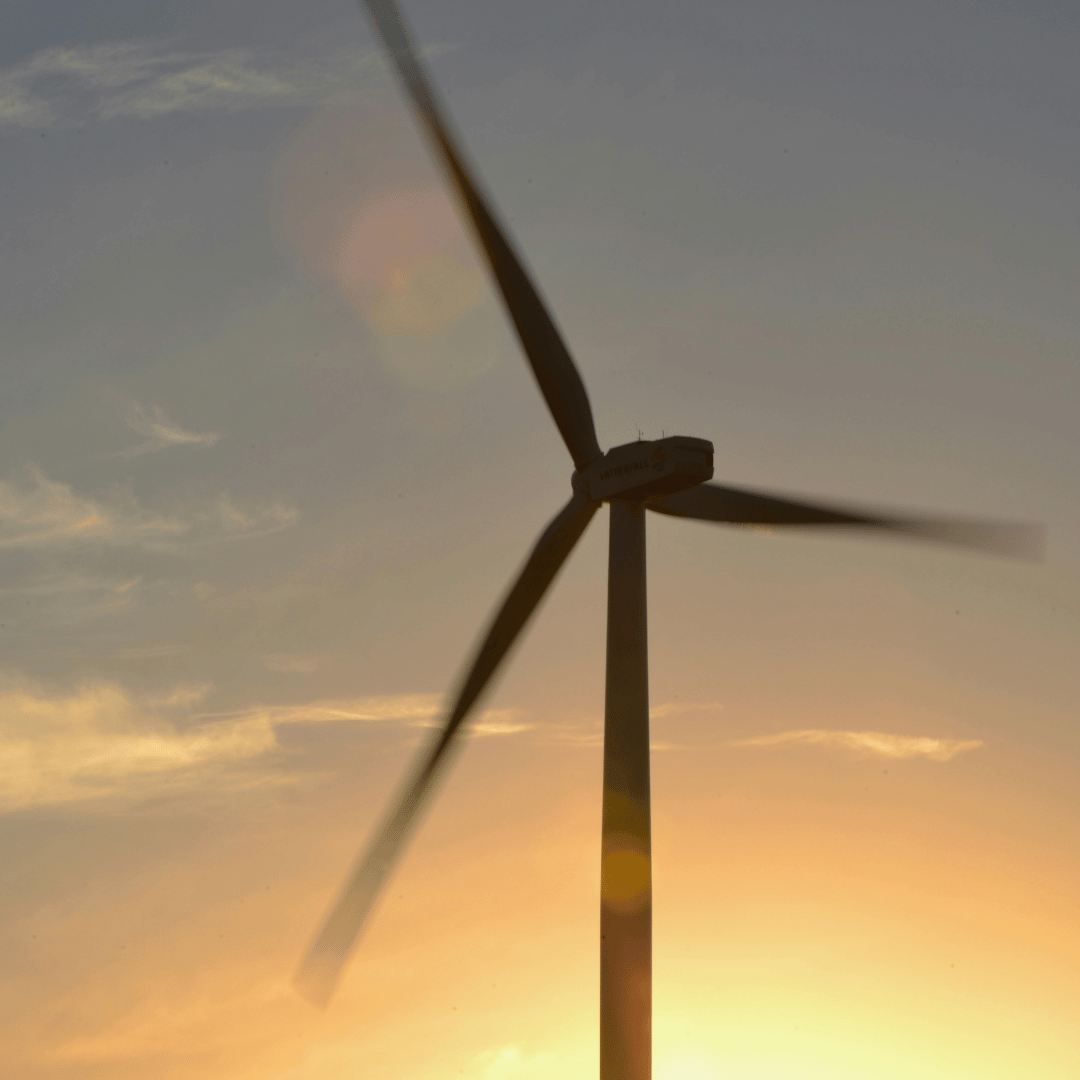
To clearly define alternative energy, we must understand it as energy derived from sources that serve as substitutes for traditional fossil fuels such as coal, oil, and natural gas. These conventional fuels have powered industrial growth for centuries, but they come with serious environmental consequences, including greenhouse gas emissions and climate change. Alternative energy offers a cleaner, more sustainable path forward.
Alternative energy includes renewable resources like solar power, wind power, hydropower, geothermal energy, and biomass. In some contexts, it also includes nuclear energy because of its low carbon emissions compared to fossil fuels. As global energy consumption continues to rise and environmental concerns intensify, understanding how to define alternative energy becomes increasingly important for governments, businesses, and individuals alike.
At its core, alternative energy aims to reduce carbon emissions, minimize ecological damage, and create long-term energy security for future generations.
Alternative Energy Definition and Meaning
To properly define alternative energy, it is helpful to compare it with fossil fuels. Fossil fuels are finite resources formed from ancient organic matter over millions of years. Because they are non-renewable, they will eventually be depleted. Moreover, burning fossil fuels releases large amounts of carbon dioxide and other pollutants into the atmosphere.
In contrast, alternative energy sources are either renewable or produce significantly lower environmental harm.
Alternative energy meaning: Energy generated from non-fossil fuel sources that reduce greenhouse gas emissions and environmental impact while promoting sustainability.
This definition highlights two important characteristics: environmental responsibility and long-term availability.
Major Types of Alternative Energy
There are several key forms of alternative energy currently used around the world. Each has its own advantages, limitations, and technological requirements.
1. Solar Energy
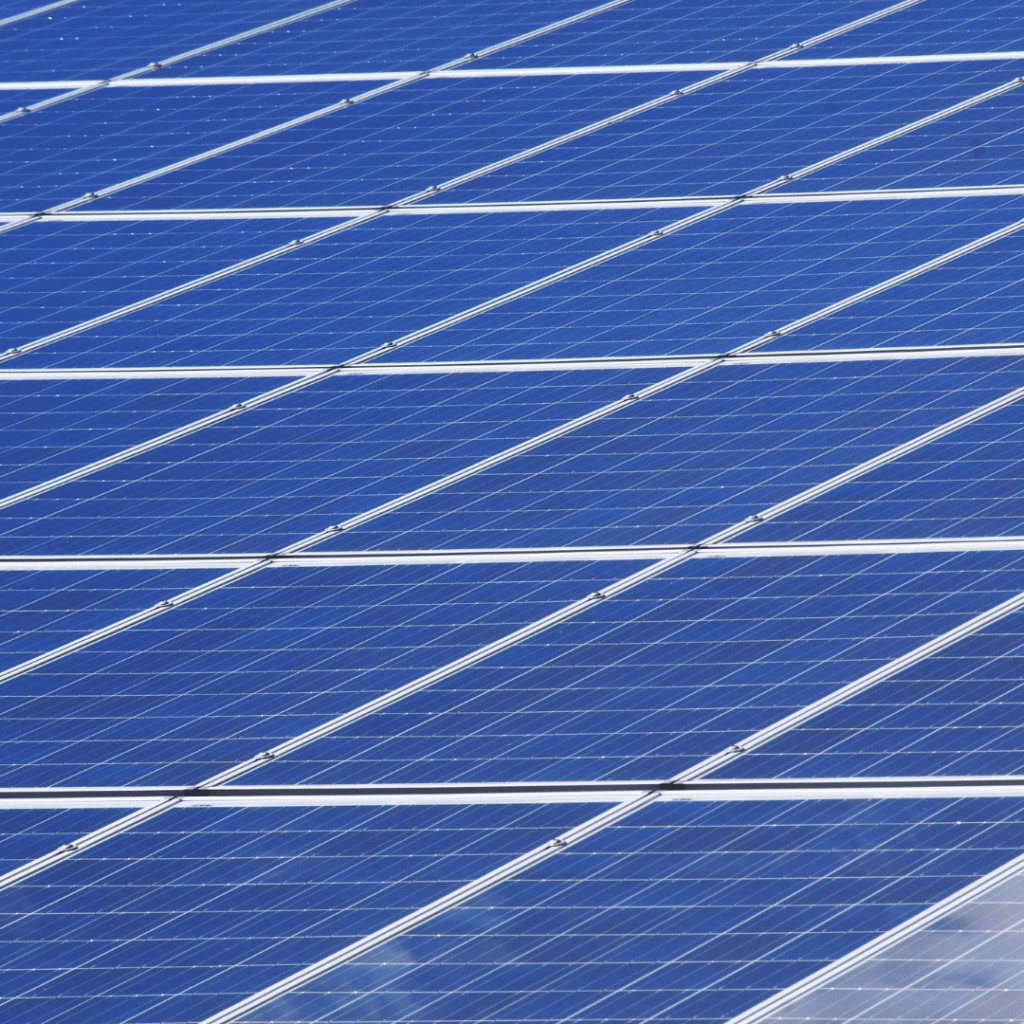
Solar energy captures sunlight and converts it into electricity using photovoltaic panels or solar thermal systems. It has become one of the fastest-growing renewable energy sources globally.
Solar energy offers several benefits:
- It is clean and renewable.
- It requires relatively low maintenance after installation.
- It can significantly reduce electricity bills.
Advances in solar panel efficiency and battery storage technology continue to improve its reliability and affordability. As innovation progresses, solar energy is becoming more accessible to households and businesses alike.
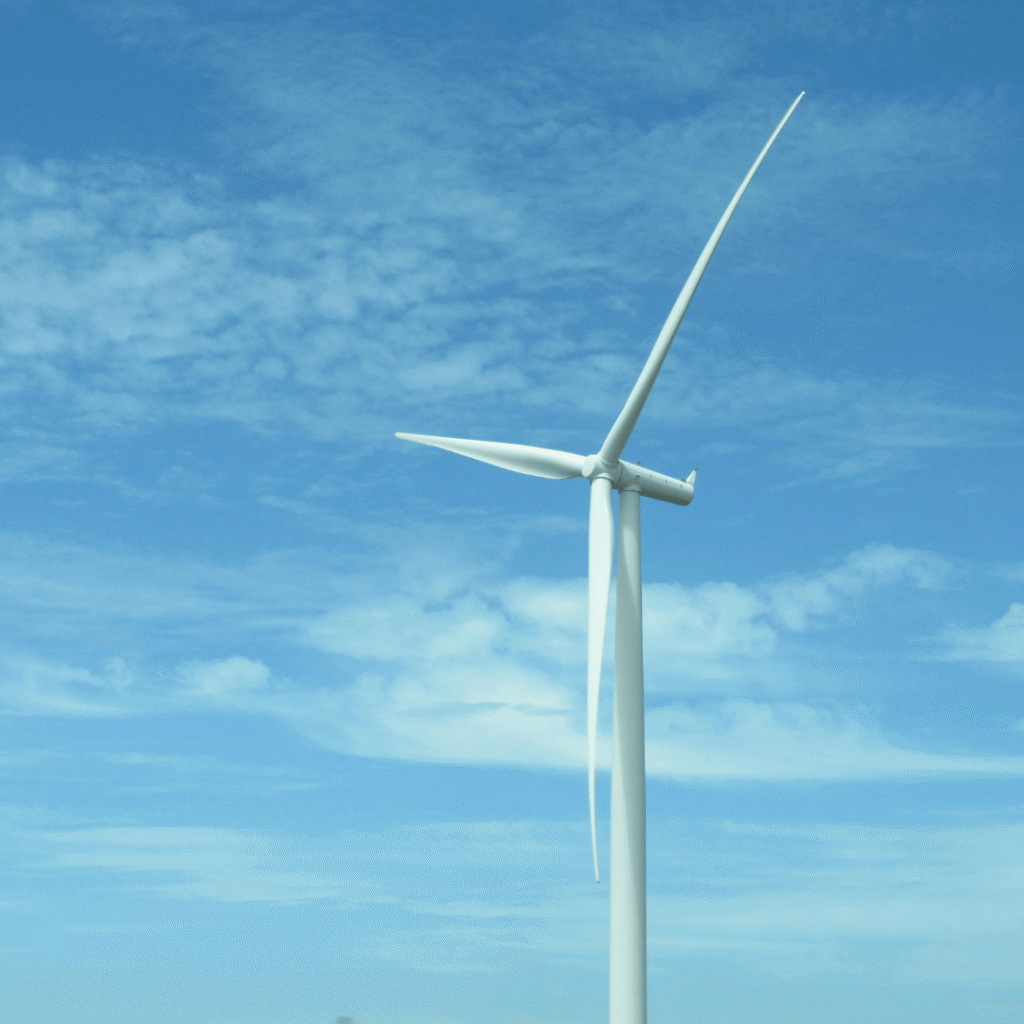
2. Wind Energy
uses turbines to convert wind movement into electrical power. Wind farms are commonly found in coastal regions, open plains, and offshore locations where wind speeds are consistent.
Key advantages include:
- Zero emissions during electricity generation.
- Scalability for both small communities and large cities.
- Long-term cost effectiveness once infrastructure is installed.
Although wind energy depends on weather conditions, improvements in forecasting and grid integration are making it more dependable.
3. Hydropower
Hydropower generates electricity from flowing or falling water, typically using dams or river-based systems. It is one of the oldest and most established renewable energy sources.
Its benefits include:
- Reliable and consistent power generation.
- Long operational lifespan of facilities.
However, large hydropower projects can disrupt ecosystems and displace communities. Modern approaches increasingly focus on smaller-scale and environmentally sensitive designs.
4. Geothermal Energy
Geothermal energy taps into heat stored beneath the Earth’s surface. This heat can be used to generate electricity or provide direct heating for buildings.
Geothermal systems offer:
- Continuous and stable energy output.
- Minimal land usage compared to other energy sources.
Because geothermal resources are location-specific, their availability depends on geological conditions.
5. Biomass Energy
Biomass energy converts organic materials such as agricultural waste, wood, and plant matter into fuel. When managed sustainably, biomass can be considered carbon-neutral because the carbon released during combustion is offset by the carbon absorbed during plant growth.
Biomass plays an important role in reducing waste while generating usable energy.
6. Nuclear Energy
Although not renewable in the traditional sense, nuclear energy produces electricity with minimal direct carbon emissions. It generates power through controlled nuclear reactions.
Modern nuclear technology focuses on improved safety systems and next-generation reactors designed to minimize waste and risk. Nuclear energy remains a debated but significant component of many alternative energy strategies.
Renewable Energy vs. Alternative Energy
The terms “renewable energy” and “alternative energy” are often used interchangeably, but they are not identical.
- Renewable energy refers specifically to sources that are naturally replenished, such as solar, wind, and hydropower.
- Alternative energy includes renewable energy but may also encompass nuclear power and emerging low-emission technologies.
Understanding this distinction helps clarify discussions about energy policy and sustainability.
Fossil Fuels vs. Alternative Energy
Fossil fuels still dominate global energy production, but their environmental impact is substantial. Burning coal, oil, and natural gas releases large amounts of greenhouse gases, contributing to climate change and air pollution.
Transitioning to alternative energy can:
- Reduce carbon dioxide emissions.
- Improve air quality.
- Decrease reliance on imported fuels.
- Strengthen national energy independence.
This shift is central to global climate goals and environmental protection efforts.
Alternative Energy Technology and Systems
Modern alternative energy relies heavily on technological innovation. Important systems include:
- Solar panels and photovoltaic arrays.
- Wind turbines.
- Advanced battery storage systems.
- Smart electrical grids.
Energy storage is particularly critical. Because renewable sources like solar and wind depend on weather conditions, efficient battery systems help store excess energy for use when production is low. Breakthroughs in lithium-ion and hydrogen storage technologies are improving overall reliability.
Green Energy and Sustainability
Green energy is a subset of alternative energy focused specifically on minimal environmental impact. While all green energy is alternative energy, not all alternative energy qualifies as completely “green.”
Green energy supports:
- Climate protection goals.
- Sustainable economic development.
- Reduced pollution and ecosystem preservation.
By integrating green energy solutions, societies can balance economic growth with environmental responsibility.
Corporate Investment and Innovation
Many corporations are investing heavily in renewable infrastructure and clean technologies. Companies like NVIDIA and Apple Inc. have committed to powering operations with renewable sources.
Artificial intelligence is also playing a growing role. Organizations such as OpenAI are contributing to AI-driven solutions that optimize energy usage, improve grid efficiency, and forecast renewable production more accurately.
AI enhances:
- Energy consumption management.
- Predictive maintenance for wind and solar systems.
- Smart grid coordination.
Alternative Energy Jobs and Career Opportunities
The expansion of alternative energy has created millions of new jobs worldwide. Career paths include:
- Solar panel installers.
- Wind turbine technicians.
- Energy analysts.
- Sustainability consultants.
- Environmental engineers.
Job growth in renewable sectors is projected to outpace many traditional industries in the coming years.
Alternative Fuels in Transportation
Alternative fuels are replacing gasoline and diesel in transportation. These include:
- Biofuels.
- Hydrogen fuel cells.
- Electric vehicle batteries.
By reducing vehicle emissions, alternative fuels play a major role in improving urban air quality and reducing greenhouse gases.
Benefits of Alternative Energy
When we define alternative energy in practical terms, its benefits become clear:
- Lower greenhouse gas emissions.
- Enhanced energy security.
- Technological innovation.
- Economic growth and job creation.
- Long-term sustainability.
These advantages make alternative energy a critical component of global development strategies.
Challenges Facing Alternative Energy
Despite significant progress, challenges remain:
- High upfront installation costs.
- Storage limitations.
- Weather dependence for solar and wind.
- Infrastructure modernization requirements.
Addressing these issues requires continued research, investment, and supportive government policies.
The Future of Alternative Energy
The future of alternative energy includes advanced solar technologies, offshore and floating wind farms, small modular nuclear reactors, and AI-powered smart grids.
Global investment in renewable infrastructure continues to grow rapidly. As technology evolves and economies scale production, alternative energy is expected to become even more cost-competitive and widespread.
Conclusion: Defining Alternative Energy for a Sustainable Tomorrow
To define alternative energy is to recognize it as a cleaner, more sustainable replacement for fossil fuels. It includes renewable resources such as solar, wind, hydropower, geothermal, and biomass, along with low-emission technologies like nuclear power.
Alternative energy solutions are transforming global energy systems, shaping environmental policy, and supporting economic growth. With ongoing technological innovation and increasing global commitment, the transition toward sustainable energy is not only possible but essential for protecting the planet and ensuring long-term prosperity.
You have not enough Humanizer words left. Upgrade your Surfer plan.