
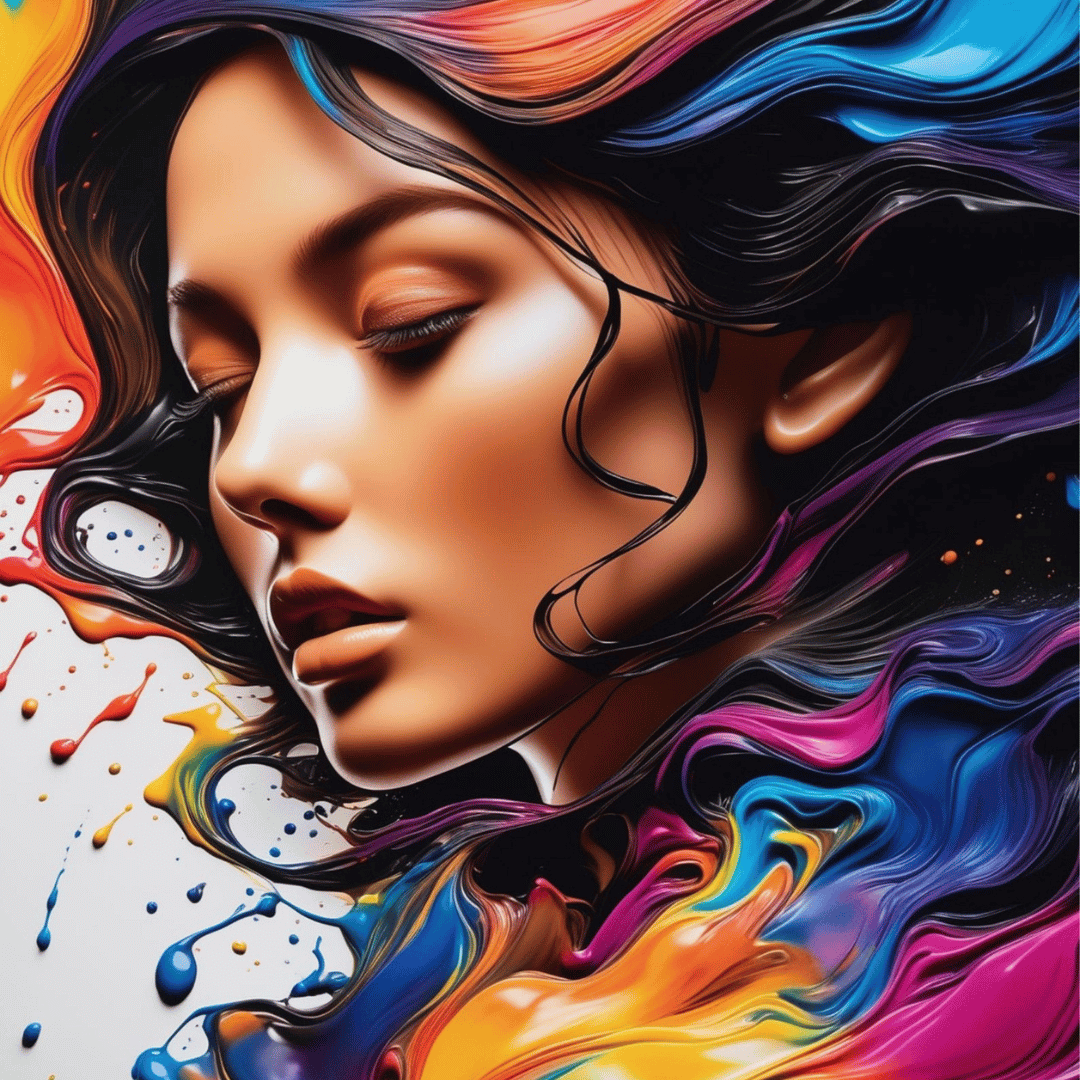
The concept of AI Canvas is rapidly transforming the way individuals, businesses, designers, educators, and creators approach digital work. At its core, AI Canvas refers to an intelligent, interactive workspace powered by artificial intelligence that enables users to create, edit, design, brainstorm, and collaborate visually.
Unlike traditional digital whiteboards or static design platforms, AI Canvas integrates machine learning, automation, and generative tools directly into a dynamic workspace. As a result, users can generate images, refine layouts, write content, analyze data, and build concepts — all within a single intelligent environment.
In today’s digital economy, speed and adaptability matter more than ever. Therefore, AI Canvas solutions are becoming central to modern workflows.
What Is AI Canvas?
AI Canvas is a smart digital workspace enhanced by artificial intelligence capabilities. It combines:
- Visual whiteboarding
- Design assistance
- Generative AI tools
- Real-time collaboration
- Workflow automation
- Data interpretation
Instead of switching between multiple software platforms, users can centralize tasks within one intelligent canvas.
For example, platforms like Canva, Miro, and Figma have introduced AI-powered features that resemble the AI Canvas concept. These tools integrate smart suggestions, automatic design adjustments, and collaborative brainstorming tools.
However, AI Canvas goes beyond simple automation. It creates an adaptive environment where AI acts as a co-creator.
The Evolution of Digital Canvas Technology
To fully understand AI Canvas, it is important to look at its evolution.
1. Traditional Physical Canvas
Historically, artists used physical canvases for painting and sketching.
2. Digital Design Software
Programs like Adobe Photoshop introduced digital creativity.
3. Cloud Collaboration Tools
Platforms allowed multiple users to work simultaneously.
4. AI-Powered Canvas Systems
Now, artificial intelligence enhances design suggestions, content generation, and layout optimization in real time.
This progression highlights how AI Canvas represents the next logical step in digital creativity.

Core Features of AI Canvas
AI Canvas platforms typically include the following features:
Intelligent Design Assistance
AI suggests layouts, colors, typography, and spacing automatically.
Generative Content Creation
Users can generate:
- Images
- Illustrations
- Written content
- Presentations
- Diagrams
Real-Time Collaboration
Teams can brainstorm visually while AI organizes ideas.
Automation and Smart Formatting
The system aligns objects, adjusts proportions, and ensures visual balance.
Data Visualization
AI Canvas can transform raw data into infographics, charts, or conceptual diagrams.
Because of these features, AI Canvas dramatically reduces manual effort.
How AI Canvas Enhances Productivity
One of the biggest advantages of AI Canvas is productivity improvement.
First, it eliminates repetitive design tasks.
Second, it provides instant suggestions.
Third, it minimizes technical barriers for beginners.
For example, instead of manually aligning elements, AI Canvas automatically adjusts spacing and symmetry. Similarly, content creators can generate outlines or drafts directly within the workspace.
As a result, both professionals and beginners benefit from faster output and higher quality results.
AI Canvas in Business Applications
Businesses are increasingly adopting for strategic planning and marketing.
Marketing Teams
They use AI Canvas to:
- Create ad creatives
- Develop social media graphics
- Plan campaign visuals
Product Teams
They design prototypes and user journey maps.
Corporate Strategy Teams
They brainstorm ideas and map processes visually.
Because AI Canvas integrates collaboration and automation, cross-functional teams can work more efficiently.
AI Canvas in Education
Education is another area where AI Canvas is gaining momentum.
Teachers use AI Canvas tools to:
- Design lesson plans
- Create visual learning aids
- Develop interactive classroom materials
Students benefit by:
- Brainstorming visually
- Creating presentations
- Collaborating on projects
Moreover, AI-generated diagrams and summaries make complex subjects easier to understand.

AI Canvas for Creative Professionals
Designers, writers, and artists are embracing as a creative partner.
Graphic Designers
AI suggests layouts and color harmonies.
Content Creators
AI drafts text, headlines, and scripts.
Illustrators
AI generates concept art ideas.
Importantly,does not replace creativity — it enhances it. The human user remains in control while AI accelerates execution.
Benefits of Using AI Canvas
There are several clear benefits to adopting technology.
1. Speed
Projects move from idea to completion faster.
2. Accessibility
Beginners can create professional visuals.
3. Collaboration
Teams work together seamlessly.
4. Cost Efficiency
Fewer tools are required.
5. Innovation
AI introduces creative suggestions users may not have considered.
Because of these benefits, AI Canvas is becoming a standard tool in modern digital environments.
Challenges and Limitations of AI Canvas
Despite its advantages, AI Canvas also has limitations.
Over-Reliance on Automation
Users may depend too heavily on AI suggestions.
Creativity Homogenization
If many people use similar AI templates, designs may look alike.
Data Privacy Concerns
Cloud-based AI systems require secure data handling.
Learning Curve
Although user-friendly, advanced features still require training.
Therefore, organizations must implement AI Canvas responsibly.
AI Canvas and the Future of Work
Reflects a broader transformation in the future of work.
Artificial intelligence is moving from being a background automation tool to becoming an active collaborator. In the coming years, platforms may include:
- Voice-driven design commands
- Predictive layout adjustments
- Emotion-based design suggestions
- Real-time translation within visual projects
As models continue evolving, will likely become more personalized and adaptive.
Comparing AI Canvas to Traditional Tools
Traditional design tools require manual execution of every element. In contrast, AI Canvas assists proactively.
For example:
Traditional Tool:
- User selects font
- User aligns text
- User adjusts spacing
AI Canvas:
- Suggests font automatically
- Aligns content instantly
- Optimizes layout dynamically
Therefore, AI Canvas reduces friction in the creative process.
Industries Benefiting from AI Canvas
AI Canvas is influencing multiple industries:
- Marketing and advertising
- Education
- Software development
- Architecture
- Media production
- E-commerce
- Consulting
Each industry benefits from faster ideation and visualization.
The Role of Machine Learning in AI Canvas
Machine learning powers AI Canvas by analyzing:
- User behavior
- Design trends
- Content patterns
- Visual aesthetics
As users interact with the canvas, the system improves suggestions. Over time, it becomes more accurate and personalized.
Ethical Considerations
As with any AI-powered system, ethical considerations matter.
Organizations should ensure:
- Transparent AI usage
- Proper credit for AI-generated assets
- Secure data storage
- Human oversight
Responsible deployment ensures AI Canvas enhances productivity without compromising integrity.
How to Choose the Right AI Canvas Platform
When selecting an AI Canvas tool, consider:
- Ease of use
- Collaboration features
- Integration with existing software
- AI capabilities
- Security measures
- Pricing structure
A well-chosen platform should align with your workflow and long-term goals.
The Growing Popularity of AI Canvas
Search interest in AI Canvas has increased significantly as businesses embrace automation. The demand for smart creative tools continues rising because digital presence has become essential.
Furthermore, remote work trends accelerate the need for collaborative visual environments.
As a result, AI Canvas solutions are likely to dominate the next decade of creative technology.
Conclusion
AI Canvas represents a powerful evolution in digital creation and collaboration. By combining artificial intelligence with interactive visual workspaces, it enables faster design, smarter brainstorming, and more efficient teamwork.
From business strategy to education and creative industries, AI Canvas is reshaping how ideas become reality. While challenges such as data security and over-automation exist, the benefits far outweigh the limitations when implemented responsibly.
As artificial intelligence continues advancing, AI Canvas will not only enhance creativity — it will redefine how humans and machines collaborate.