

Blood donation is a life-saving act that plays a crucial role in modern healthcare. Every day, thousands of patients rely on donated blood for surgeries, trauma care, cancer treatment, childbirth complications, and chronic illnesses. Despite medical advancements, there is no substitute for human blood, making voluntary blood donation essential worldwide.
From whole blood donation to plasma and Power Red donation, understanding how blood donation works helps more people participate safely and confidently. This comprehensive guide covers blood donation eligibility, requirements, process, frequency, safety, and global donation systems.
What Is Blood Donation?
Blood donation is the voluntary process of giving blood to be used for medical treatment, transfusions, or research. Donated blood is collected at a blood donation center, blood bank, hospital, or mobile blood donation campaign and later separated into components such as red cells, plasma, and platelets.
Types of Blood Donation
1. Whole Blood Donation
Whole blood donation is the most common type. A single donation can help multiple patients once separated into components.
2. Platelet Donation
Platelets are essential for cancer patients and those with clotting disorders.
4. Power Red vs Blood Donation
Power Red donation collects concentrated red blood cells using a machine, allowing donors to give more red cells in one session.
Blood Donation Eligibility and Requirements
Basic Blood Donation Eligibility
Most blood donation centers follow similar criteria:
- Age: Typically 18–65 years (some countries allow 16–17 with consent)
- Weight: Minimum 50 kg (110 lbs)
- Good general health
- Acceptable hemoglobin/iron levels
Blood Donation Age Limits
Blood donation age limits vary by country, including blood donation UK, Australia, Ireland, and the USA.
Requirements for Blood Donation
- Valid identification
- Adequate sleep before donation
- No active infections
- Not under the influence of alcohol
Blood Donation Frequency and Interval
Blood Donation Frequency
- Whole blood donation: every 8–12 weeks
- Plasma donation: every 2–4 weeks
- Platelet donation: every 2 weeks
Maintaining proper intervals ensures donor safety and allows the body to replenish blood cells.
The Blood Donation Process Step by Step
1. Registration
Register through a blood donation website, blood donation app, or by booking an appointment.
2. Health Screening
Medical staff check:
- Blood pressure
- Hemoglobin levels
- Weight
- Medical history
3. Blood Collection
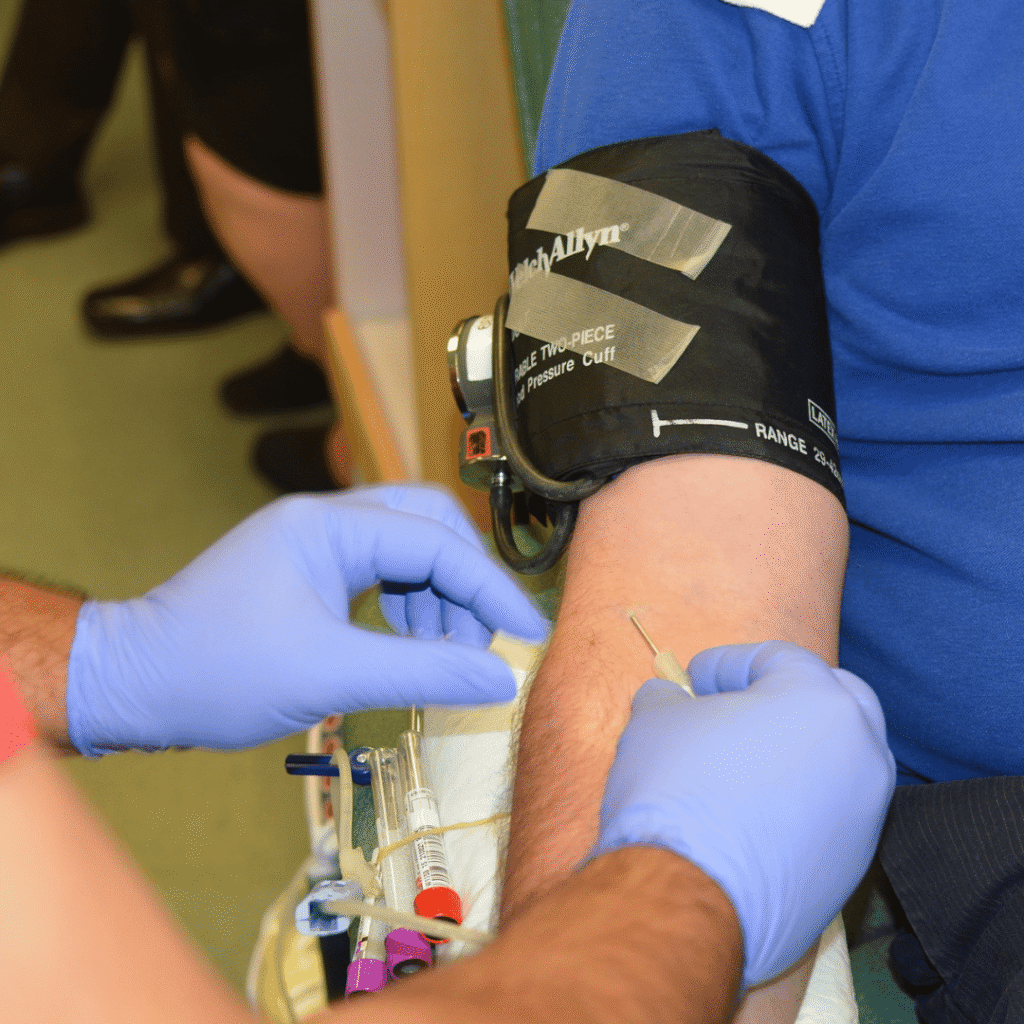
You are seated in a comfortable blood donation chair, and the process usually takes 8–15 minutes for whole blood.
4. Recovery
After donation, donors rest briefly and are offered refreshments.
How Much Blood Is Donated?
The standard blood donation amount for whole blood is approximately 450–500 ml, which the body replaces quickly.
Is Blood Donation Safe?
Yes, safe blood donation practices are strictly followed worldwide:
- Sterile, single-use needles
- Trained medical professionals
- Proper donor screening
Minor side effects may include dizziness or fatigue, which usually resolve quickly.
Benefits of Blood Donation
- Saves lives
- Supports surgeries and emergency care
- Helps cancer and anemia patients
Benefits for Recipients
- Free health screening
- Improved heart health (some studies suggest benefits)
- Emotional satisfaction from helping others
Iron Levels and Blood Donation
Maintaining healthy iron levels is important for donors.
Iron-Rich Foods for Donors
- Spinach
- Red meat
- Lentils
- Beans
- Fortified cereals
- Dates and raisins
Iron supplementation may be recommended for frequent donors.

Blood Donation Centers and Blood Banks
What Is a Blood Bank?
A blood bank collects, tests, stores, and distributes blood for medical use.
Blood Donation Centers Near You
You can find a blood donation center near me using official websites or apps.
Blood Donation Around the World
Blood Donation UK
Managed by NHS Blood Donation, with online booking options.
Blood Donation Australia
Run by the Australian Red Cross Lifeblood.
Blood Donation Ireland
Irish Blood Transfusion Service oversees national donations.
Blood Donation USA
Includes organizations like One Blood, Red Cross, and regional centers.
City-Specific Donations
- Blood donation NYC
- Blood donation Toronto
- Blood donation London
- Blood donation Sydney
- Blood donation Dubai
- Blood donation Melbourne
- Blood donation Vancouver
- Blood donation Brisbane
- Blood donation Las Vegas
- Blood donation San Antonio
Blood Donation Campaigns and Awareness
A blood donation campaign encourages voluntary participation through:
- Community drives
- Corporate programs
- University initiatives
- Mobile blood donation units
Campaigns are essential to maintain adequate blood supply.
Blood Donation Apps and Online Booking
Modern systems allow donors to:
- Book blood donation appointments
- Track donation history
- Receive reminders
- Find nearby blood donation centers
A blood donation app improves accessibility and participation.
Can You Get Paid for Blood Donation?
In many countries, blood donation is unpaid and voluntary. However, plasma donation money may be offered in certain regions under regulated programs.
Dog Blood Donation
Dog blood donation is vital for veterinary emergencies. Healthy dogs can donate blood at veterinary clinics and animal hospitals, helping injured or sick pets.
Blood Donation Images and Media
Blood donation images are widely used in awareness campaigns to educate the public and encourage participation.
Common Myths About Blood Donation
- ❌ Blood donation is painful
- ❌ You become weak permanently
- ❌ Donating blood causes illness
All these myths are false when donation is done safely.
Who Should Not Donate Blood?
Temporary or permanent deferrals may apply due to:
- Recent surgery
- Certain medications
- Pregnancy
- Low hemoglobin
- Recent travel to high-risk areas
Always check blood donation requirements before booking.
How to Prepare for Blood Donation
- Eat a healthy meal
- Stay hydrated
- Avoid alcohol
- Wear comfortable clothing
- Get adequate rest
Why Blood Donation Is Important
Blood donation saves lives every single day. A single donation can help up to three patients, making it one of the most impactful acts of kindness.
Conclusion
Blood donation is a simple, safe, and powerful way to make a difference in society. By understanding blood donation eligibility, process, frequency, and safety, more people can confidently become regular donors. Whether you donate whole blood, plasma, or platelets, your contribution supports healthcare systems and saves countless lives worldwide.
Make blood donation a habit—not just an act.
Disclaimer
This article is intended for educational and informational purposes only. Blood donation eligibility, requirements, and procedures may vary by country and organization. Always consult an official blood donation center, blood bank, or healthcare professional before donating blood.