
Understanding Bone Wear
Bone wear is a natural process that occurs over time due to aging, physical activity, and certain medical conditions. While bones are strong and capable of healing themselves, continuous stress, injury, or degenerative diseases like Osteoarthritis can lead to structural changes and discomfort.
A bone density test or bone density scan helps determine bone strength and detect conditions such as osteoporosis before fractures occur. Understanding bone wear is essential for maintaining mobility, preventing fractures, and supporting long-term skeletal health.
What Is Bone Wear?
Bone wear refers to the gradual breakdown or thinning of bone tissue and surrounding cartilage. It is often associated with:
- Aging
- Wear and tear arthritis
- Repetitive stress injuries
- Nutritional deficiencies
- Hormonal changes
Over time, bone wear may increase the risk of fractures, bone spurs, and joint discomfort.
Bone Structure and Major Bones in the Body
To understand bone wear, it helps to know the major bones in the human body:
- Femur bone – the longest and strongest bone
- Tibia bone – the shin bone
- Ulna bone and Radius bone – forearm bones
- Humerus bone – upper arm bone
- Hip bone – supports body weight
- Talus bone – ankle bone
- Hyoid bone – supports tongue and throat
Each bone plays a critical role in movement and structural stability.
Bone Density Test and Bone Density Scan
A bone density test (also called a bone density scan) measures bone mineral density (BMD). It helps diagnose:
- Osteoporosis
- Bone loss
- Fracture risk
Doctors often recommend bone density tests for:
- Women over 50
- People with fracture history
- Individuals with family history of bone disease
Early detection prevents severe complications.
Bone Fractures and Healing
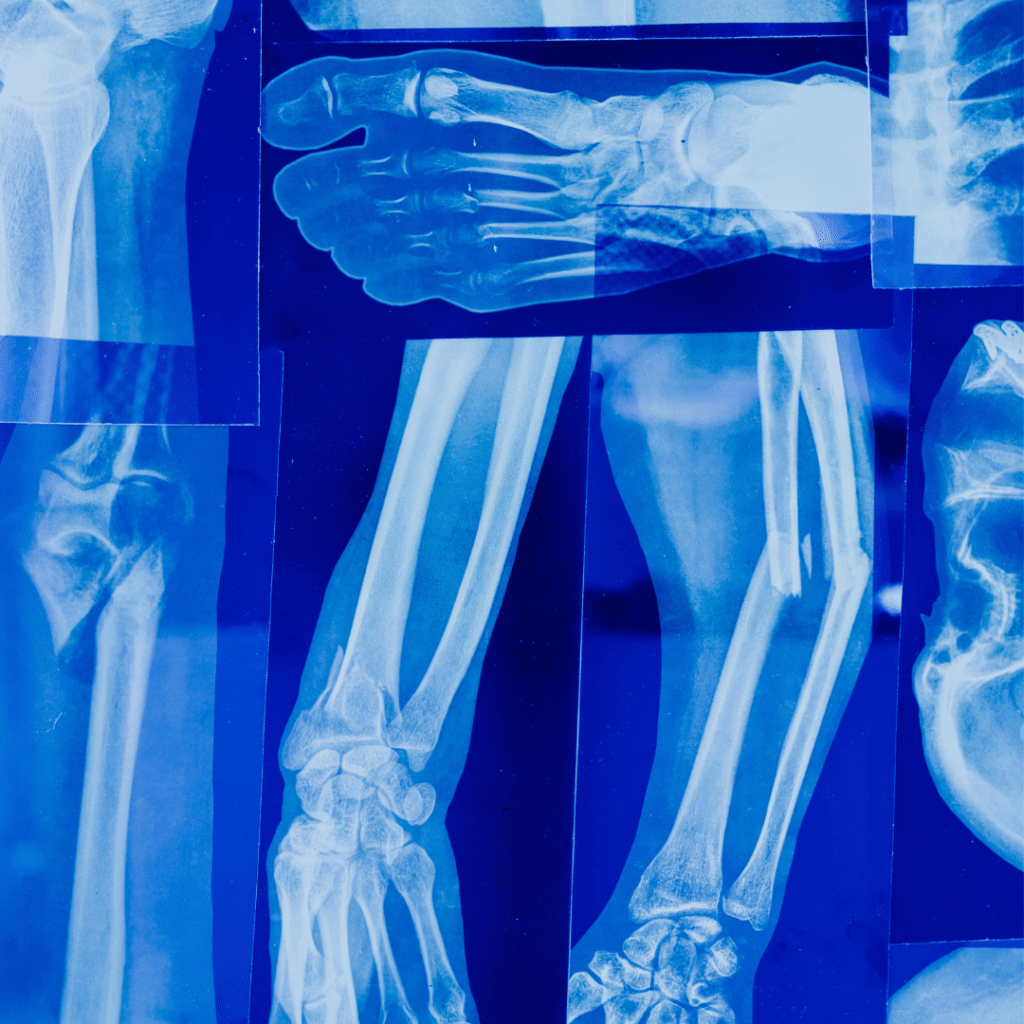
A fracture is a crack or break in a bone. Let’s analyze this common question:
Which of the following is not a characteristic of bone fractures?
a. A crack or break occurs in the bone.
b. It is caused by a large force or impact on the bone.
c. It does not always include pain.
d. Bones naturally begin to heal immediately.
Correct Answer: c. It does not always include pain.
Most fractures cause pain, swelling, and limited movement.
It is true that bones naturally begin to heal immediately after a fracture, starting with blood clot formation and tissue regeneration.
Bone Growth Stimulator and Bone Graft
In cases where healing is delayed, doctors may recommend:
Bone Growth Stimulator
A device that uses electrical or ultrasonic waves to enhance healing.
Bone Graft
A surgical procedure where bone tissue is transplanted to repair damaged areas.
Bone grafts are common in dental surgery and orthopedic reconstruction.
Osteoarthritis and Wear and Tear Arthritis
Wear and tear arthritis is another name for Osteoarthritis. It occurs when cartilage between bones deteriorates, causing:
- Joint stiffness
- Pain
- Reduced flexibility
Maintaining healthy weight and muscle strength helps reduce stress on bones.
Bone Spurs and Joint Pain
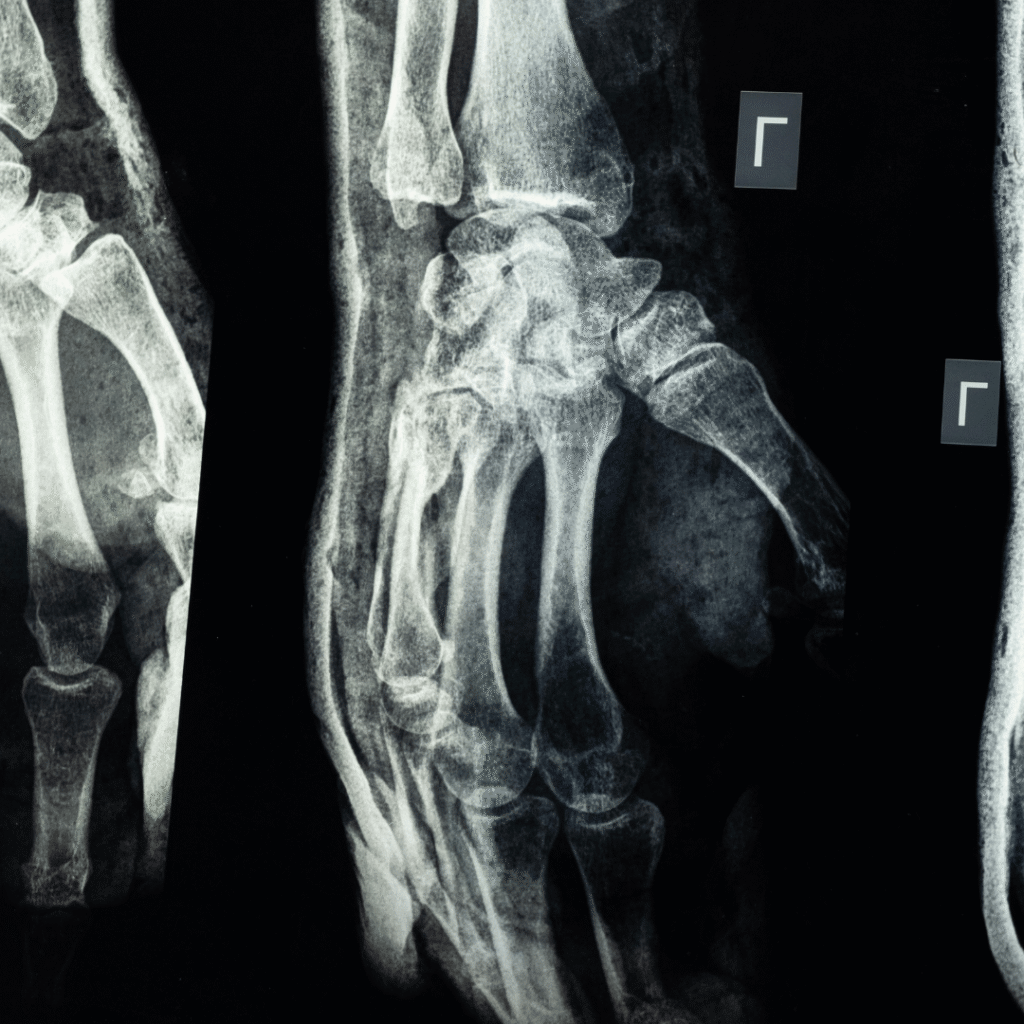
Bone spurs are small bony growths that develop along bone edges, often due to chronic inflammation or joint damage.
Common areas:
- Wrist bone
- Hip bone
- Spine
They may cause discomfort if they press on nerves.
Nutrition for Bone Health
Diet plays a major role in preventing bone wear.
Bone Broth
Bone broth is rich in collagen, calcium, and minerals.
Essential Nutrients
- Calcium
- Vitamin D
- Magnesium
- Protein
Proper nutrition strengthens bones and reduces fracture risk.
Bone Marrow and Its Function
Bone marrow is the soft tissue inside bones responsible for producing:
- Red blood cells
- White blood cells
- Platelets
Healthy bone marrow ensures proper immune function and oxygen transport.
Bone Conduction Headphones Explained
Bone conduction headphones transmit sound through cheekbones instead of the ear canal.
Popular types:
- Bone conduction earbuds
- Best bone conduction headphones
- Bone conducting headphones
They are useful for athletes and individuals with hearing concerns.
How to wear bone conduction headphones:
- Place the band behind your head
- Rest the pads on your cheekbones
- Keep ears open for environmental awareness
Physical Hazard: Is a Filet Bone Dangerous?
Yes, a filet bone can be considered a physical hazard in food safety. Small bones left in fish fillets may cause choking or injury if swallowed unexpectedly.
Food safety standards require careful inspection to reduce such risks.
Warm-Up and Bone Protection
Which statement about warming up before an activity is not true?
a. It is necessary to continue to stretch during the game.
b. Getting the blood moving prepares muscles.
c. Joints can be warmed up through stretching.
d. None of the above.
Correct answer: a. It is necessary to continue to stretch during the game.
Continuous stretching during activity is not always required.
Proper warm-up:
- Increases blood flow
- Reduces injury risk
- Supports joint flexibility
Rag & Bone and Brand Confusion
It’s important not to confuse bone health topics with fashion brands like:
- Rag & Bone
- Rag and Bone jeans
- Rag and Bone shoes
These are clothing brands unrelated to bone health.
Estee Lauder “Cool Bone” Shade
Similarly, cosmetic shades such as:
- Estée Lauder
- Estee Lauder Double Wear
- Estee Lauder Double Wear 1C1 Cool Bone
use the word “bone” to describe color tones, not skeletal health.
Funny Bone Explained
The “funny bone” is not actually a bone. It refers to the ulnar nerve near the elbow. Hitting it causes tingling sensations.
Bone Temple and Cultural References
The term “Bone Temple” appears in fictional works and creative titles such as 28 Years Later: The Bone Temple, unrelated to medical bone structure.
Preventing Bone Wear
To reduce bone wear:
- Exercise regularly
- Maintain healthy weight
- Consume calcium-rich foods
- Avoid smoking
- Limit alcohol
- Get regular bone density scans
When to See a Doctor
Consult a healthcare professional if you experience:
- Persistent bone pain
- Frequent fractures
- Joint stiffness
- Loss of height
Early diagnosis prevents complications.
Conclusion
Bone wear is a natural but manageable process. Through proper nutrition, exercise, regular bone density tests, and medical care when needed, you can maintain strong and healthy bones throughout life.
Understanding fractures, osteoarthritis, bone grafts, and preventive measures empowers you to take proactive control of skeletal health.
Disclaimer
This article is for informational purposes only and does not constitute medical advice. Bone health conditions, fractures, osteoporosis, and joint disorders require professional diagnosis and treatment. Always consult a licensed physician, orthopedic specialist, or healthcare provider before starting supplements, treatments, or medical devices related to bone health.