
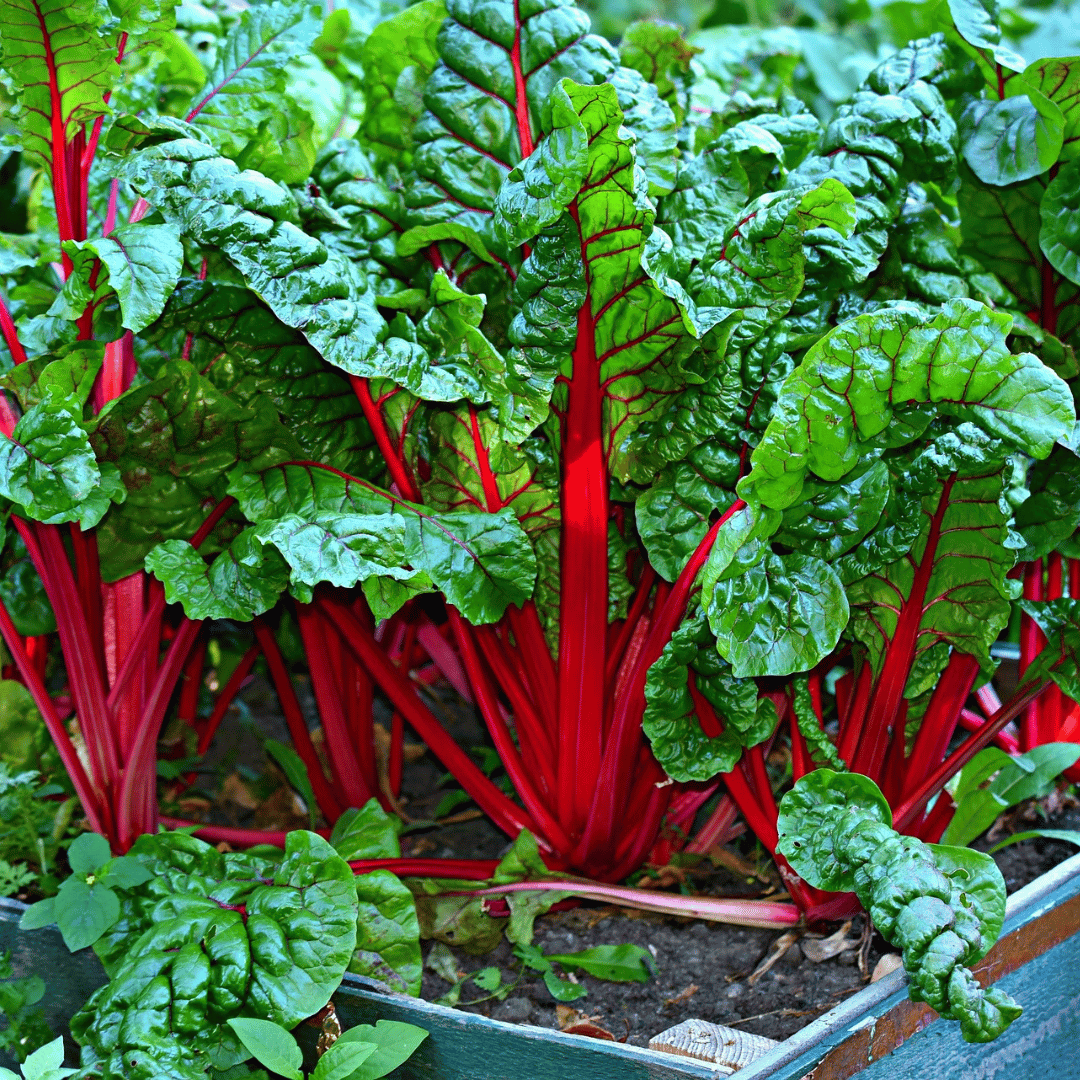
A kitchen garden is more than just a small patch of greenery—it is a lifestyle choice that promotes health, sustainability, and self-reliance. In recent years, kitchen gardening has gained immense popularity as people seek fresh, chemical-free vegetables and herbs grown right at home. Whether you live in a house with a backyard or an apartment with a balcony, a kitchen garden can fit into almost any space.
Growing your own food reconnects you with nature, reduces grocery expenses, and ensures your family consumes nutritious, pesticide-free produce. This guide will walk you through everything you need to know about starting, maintaining, and enjoying a successful kitchen garden.
What Is a Kitchen Garden?
A kitchen garden, also known as a home vegetable garden, is a small garden where vegetables, fruits, and herbs are grown primarily for household use. Unlike commercial farming, kitchen gardening focuses on personal consumption rather than profit.
Kitchen gardens are typically located close to the home—often in the backyard, terrace, balcony, or even windowsills—making harvesting convenient and reducing food waste.
Benefits of a Kitchen Garden
1. Fresh and Healthy Produce
Vegetables harvested directly from a retain more nutrients and flavor compared to store-bought produce that travels long distances.
2. Chemical-Free Food
Home gardening allows you to avoid harmful pesticides and synthetic fertilizers, ensuring safer food for your family.
3. Cost Savings
A significantly reduces grocery bills, especially for frequently used vegetables and herbs.
4. Environmental Benefits
Kitchen gardening lowers carbon footprints by reducing food transportation and packaging waste.
5. Mental and Physical Well-being
Gardening is therapeutic. It reduces stress, improves mood, and provides gentle physical exercise.
6. Educational Value
For children, a kitchen garden is a living classroom that teaches patience, responsibility, and the importance of nature.
Choosing the Right Location for a Kitchen Garden
Selecting the correct location is critical for success.
Sunlight
Most vegetables require 5–8 hours of direct sunlight daily. Choose a sunny area such as:
- Backyard
- Rooftop or terrace
- Balcony with good exposure
- Near windows for herbs
Accessibility
Your kitchen garden should be easy to access for watering, harvesting, and maintenance.
Drainage
Ensure the soil or containers drain excess water to prevent root rot.
Types of Kitchen Gardens
1. Backyard Kitchen Garden
Ideal for homes with outdoor space, allowing diverse crops and natural soil use.
2. Container Kitchen Garden
Perfect for apartments. Vegetables are grown in pots, grow bags, or recycled containers.
3. Terrace or Rooftop Garden
Uses rooftops efficiently, often combined with vertical gardening techniques.
4. Vertical Kitchen Garden
Utilizes walls, shelves, or hanging pots—great for herbs and leafy greens.
Soil Preparation for a Kitchen Garden
Healthy soil is the foundation of a productive.
Ideal Soil Characteristics
- Loose and well-draining
- Rich in organic matter
- Slightly acidic to neutral pH (6.0–7.0)
Improving Soil Quality
- Add compost or vermicompost
- Use cow dung manure or organic fertilizers
- Mix garden soil with sand and coco peat for containers
Essential Tools for Kitchen Gardening
You don’t need expensive equipment. Basic tools include:
- Hand trowel
- Watering can or hose
- Gardening gloves
- Pruning shears
- Grow bags or pots
- Organic compost
Best Plants for a Kitchen Garden
Easy Vegetables for Beginners
- Tomato
- Spinach
- Lettuce
- Okra
- Radish
- Carrots
Popular Herbs
- Mint
- Coriander
- Basil
- Curry leaves
- Parsley
Seasonal Vegetables
- Summer: cucumber, bottle gourd, chilies
- Winter: cabbage, cauliflower, peas
- All-season: spinach, fenugreek
How to Start a Kitchen Garden Step by Step
Step 1: Plan Your Garden
Decide what vegetables your family uses most and plan accordingly.
Step 2: Prepare Soil or Containers
Ensure nutrient-rich soil and adequate drainage.
Step 3: Sow Seeds or Transplants
Follow spacing guidelines to avoid overcrowding.
Step 4: Water Regularly
Water early morning or evening to reduce evaporation.
Step 5: Provide Organic Nutrition
Use compost tea, neem cake, or homemade fertilizers.
Watering and Maintenance Tips
- Avoid overwatering
- Mulch soil to retain moisture
- Remove weeds regularly
- Rotate crops each season to maintain soil health
Pest Control in a Kitchen Garden
Instead of chemicals, use natural pest control methods:
- Neem oil spray
- Soap water solution
- Companion planting (marigolds, basil)
- Hand-picking pests
Composting for a Sustainable Kitchen Garden
Kitchen waste like vegetable peels, fruit scraps, and eggshells can be composted at home.
Benefits of Composting
- Reduces household waste
- Improves soil fertility
- Encourages beneficial microorganisms
Seasonal Care for Kitchen Gardens
Summer Care
- Increase watering frequency
- Provide shade nets if necessary
Monsoon Care
- Improve drainage
- Protect plants from fungal diseases
Winter Care
- Reduce watering
- Cover sensitive plants during frost
Common Mistakes to Avoid
- Overcrowding plants
- Ignoring sunlight needs
- Overwatering
- Using chemical pesticides
- Neglecting soil health
Kitchen Garden for Urban Homes
Urban living doesn’t limit gardening. With smart planning, even small spaces can support a thriving kitchen garden. Vertical racks, railing planters, and window boxes make gardening accessible to city dwellers.
Long-Term Benefits of Maintaining a Kitchen Garden
A kitchen garden promotes food security, sustainability, and long-term health. Over time, gardeners develop a deeper appreciation for nature and healthier eating habits.
Conclusion
A kitchen garden is a powerful step toward a healthier, more sustainable lifestyle. Whether you grow a few herbs on your windowsill or cultivate a full vegetable patch, the rewards are immense. With proper planning, organic practices, and regular care, anyone can enjoy fresh, homegrown produce throughout the year.
Starting a kitchen garden today is not just about growing food—it’s about nurturing well-being, environmental responsibility, and self-sufficiency.
⚠️ Disclaimer
This article is for educational and informational purposes only. Gardening results may vary depending on climate, soil conditions, and care practices. Always follow local agricultural guidelines and consult gardening experts when necessary.