

Social media has become an inseparable part of modern life. Platforms like Instagram, Facebook, TikTok, X (Twitter), Snapchat, and YouTube connect billions of people daily. While these platforms offer communication, entertainment, education, and community, growing research suggests a strong relationship between social media and anxiety, depression, and overall mental health challenges.
Many users experience constant comparison, fear of missing out (FOMO), social validation pressure, and information overload. As a result, mental health professionals, researchers, and organizations such as the American Psychological Association (APA) are increasingly examining how social media affects mental health.
This article explores the deep connection between social media and anxiety, including scientific research, psychological mechanisms, real-world effects, and evidence-based strategies to maintain mental well-being in a digital world.
Understanding Anxiety and Mental Health
Anxiety is a natural emotional response to stress or perceived threats. However, when anxiety becomes persistent, excessive, and interferes with daily life, it may develop into an anxiety disorder.
Common Anxiety Disorders
- Generalized Anxiety Disorder (GAD)
- Social Anxiety Disorder
- Panic Disorder
- Health Anxiety
- Performance Anxiety
Mental health refers to emotional, psychological, and social well-being. It affects how individuals think, feel, act, handle stress, relate to others, and make decisions.
In recent years, researchers have identified social media anxiety disorder as a growing concern, especially among adolescents and young adults.
Social Media and Mental Health: The Growing Concern
The relationship between social media and mental health is complex. While social media can provide support and connection, excessive or unhealthy use is linked to:
- Increased anxiety
- Depression
- Loneliness
- Low self-esteem
- Sleep disturbances
- Attention problems
According to research published on Google Scholar, high social media use is associated with higher levels of psychological distress.
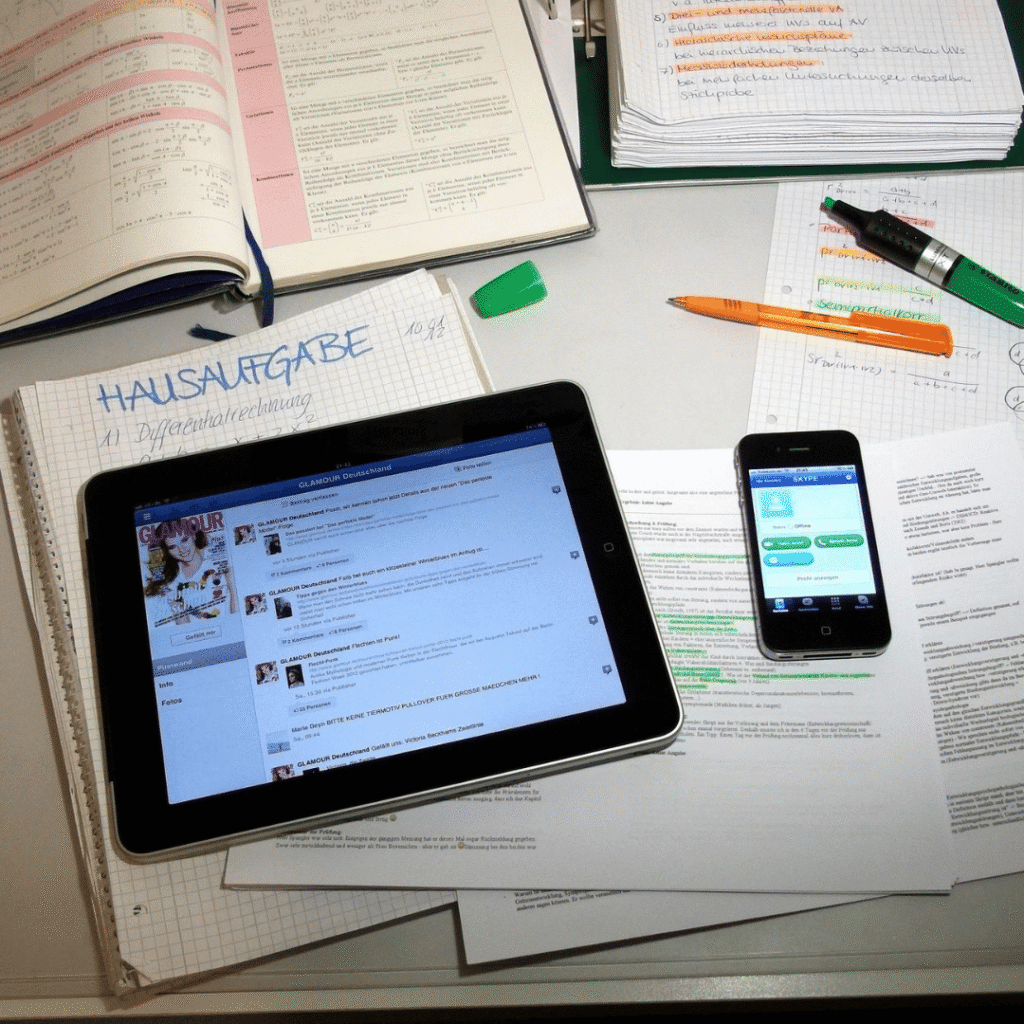
How Social Media Affects Mental Health
1. Social Comparison
One of the strongest links between social media and anxiety is social comparison. Users are constantly exposed to curated highlights of others’ lives, leading to unrealistic expectations.
This can cause:
- Low self-worth
- Body image dissatisfaction
- Feelings of inadequacy
- Increased anxiety and depression
2. Fear of Missing Out (FOMO)
FOMO refers to the anxiety that others are having rewarding experiences without you. Social media amplifies FOMO by constantly displaying events, achievements, and lifestyles.
Effects of FOMO include:
- Compulsive checking of social media
- Sleep disruption
- Increased stress
- Reduced life satisfaction
How Does Social Media Cause Anxiety?
3. Validation and Approval Seeking
Likes, shares, comments, and followers create a reward-based system that reinforces validation-seeking behavior.
This leads to:
- Anxiety when posts receive low engagement
- Fear of negative comments
- Obsession with online image
- Emotional dependency on digital feedback
4. Cyberbullying and Online Harassment
Online harassment is a significant factor in anxiety and depression, especially among teenagers.
Victims of cyberbullying may experience:
- Social withdrawal
- Panic attacks
- Low self-esteem
- Depression
- Suicidal thoughts
Social Media Anxiety Disorder
Social media anxiety disorder is not yet an official clinical diagnosis, but it is widely recognized by mental health professionals.
Symptoms may include:
- Anxiety before posting
- Obsessive editing of photos or captions
- Fear of being judged online
- Avoidance of social media or compulsive usage
- Emotional distress tied to engagement metrics
This condition often overlaps with social anxiety disorder and generalized anxiety.
Depression and Social Media
Studies show a strong correlation between social media use and depression, especially when usage exceeds several hours per day.
Why Is Social Media Bad for Depression?
- Exposure to negative news cycles
- Unrealistic beauty standards
- Comparison culture
- Online rejection or exclusion
- Reduced real-world social interaction
According to APA-cited studies, individuals who spend more time on social media report higher depressive symptoms.
The Impact of Social Media on Mental Health in Adolescents
Teenagers are particularly vulnerable to the effects of social media on mental health.
Key risks include:
- Identity development issues
- Body image dissatisfaction
- Peer pressure
- Sleep deprivation
- Academic stress
Research from Google Scholar indicates that adolescents who use social media excessively are more likely to report anxiety and depression symptoms.
Positive Aspects of Social Media (Balanced View)
Despite concerns, social media is not inherently harmful. When used mindfully, it can offer benefits such as:
- Mental health awareness
- Peer support communities
- Educational resources
- Access to therapy information
- Reduced stigma around mental illness
The key factor is how and how much social media is used.
APA Research and Academic Findings
APA Citation (Example)
American Psychological Association (APA) research highlights that excessive social media use is associated with increased stress, anxiety, and depression, particularly among young users.
Academic studies from Google Scholar consistently show:
- Correlation between time spent on social media and anxiety levels
- Increased emotional reactivity from algorithm-driven content
- Reduced self-esteem with image-focused platforms
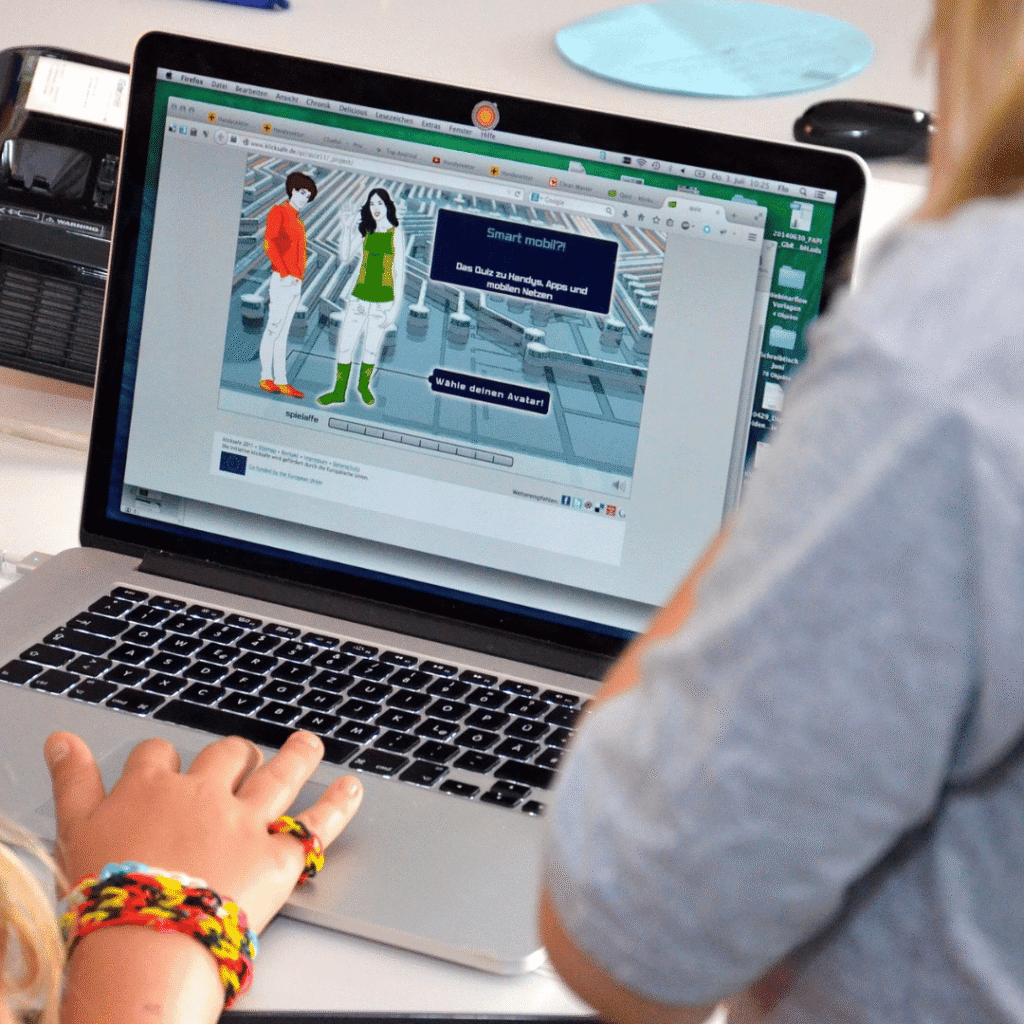
How to Reduce Social Media Anxiety
1. Set Time Limits
Limit daily usage using screen-time tools.
2. Curate Your Feed
Unfollow accounts that trigger anxiety, comparison, or negativity.
3. Practice Digital Detox
Schedule regular breaks from social media.
4. Avoid Doomscrolling
Be mindful of consuming excessive negative news.
5. Focus on Real-Life Connections
Prioritize face-to-face interactions and offline hobbies.
Therapy and Mental Health Support
Professional therapy can help individuals struggling with social media and anxiety.
Effective approaches include:
- Cognitive Behavioral Therapy (CBT)
- Mindfulness-Based Therapy
- Acceptance and Commitment Therapy (ACT)
- Digital wellness counseling
Therapists often help clients develop healthier relationships with technology.
Social Media and Anxiety in the Workplace
Social media also affects professional mental health through:
- Career comparison
- Professional image pressure
- Online criticism
- Hustle culture anxiety
Employers increasingly recognize the importance of digital well-being as part of employee mental health programs.
Long-Term Effects of Social Media on Mental Health
If unmanaged, chronic anxiety related to social media may lead to:
- Burnout
- Emotional exhaustion
- Sleep disorders
- Reduced productivity
- Social isolation
Developing awareness and boundaries early can prevent long-term psychological harm.
The Future of Social Media and Mental Health
Tech companies are beginning to introduce:
- Hidden like counts
- Mental health reminders
- Screen-time warnings
- AI-based content moderation
While these steps help, personal responsibility and education remain essential.
Conclusion
The connection between social media and anxiety is undeniable. While social media can foster connection and awareness, excessive or unhealthy use significantly affects mental health, contributing to anxiety, depression, FOMO, and emotional distress.
Understanding how social media affects mental health empowers individuals to make healthier digital choices. By setting boundaries, practicing mindfulness, and seeking professional support when needed, users can enjoy the benefits of social media without compromising mental well-being.
DISCLAIMER
This article is for informational and educational purposes only and does not constitute medical, psychological, or professional advice. Mental health conditions such as anxiety and depression require individualized assessment and care. Always consult a qualified mental health professional, psychologist, psychiatrist, or healthcare provider for diagnosis and treatment. Do not ignore or delay seeking professional help based on information found in this article.