

Keto Diet: What Is It and How Does It Work?
The keto diet is something we should maintain in our lives, so we need to pay attention to this. Stop eating a lot of junk food and get used to the things we are told to do. We can definitely change our health.
The keto diet is a popular low-carb, high-fat eating plan designed to help your body burn fat more efficiently and improve overall health. In today’s fast-paced world, where weight gain and lifestyle diseases are becoming more common, the keto diet has emerged as an effective solution for sustainable weight loss and better energy management.
By reducing carbohydrate intake and increasing healthy fats, the keto diet shifts your body into a metabolic state called ketosis, where fat becomes the primary source of energy instead of glucose. This process not only supports weight loss but also helps improve focus, reduce cravings, and maintain stable energy levels throughout the day.
In recent years, the keto diet has gained widespread popularity due to its effectiveness in helping people lose weight, improve metabolic health, and maintain steady energy throughout the day. With the rise of lifestyle-related conditions such as obesity and diabetes, many individuals are turning to the as a practical and results-driven solution.
By significantly reducing carbohydrate intake and replacing it with healthy fats, your body undergoes a metabolic shift. This shift leads to the production of ketones, which are used as an alternative energy source. As a result, the body begins to burn stored fat, making the a powerful tool for weight management and overall wellness.
What Is Ketosis?
Ketosis is the metabolic state that makes the effective. It occurs when your body no longer has enough carbohydrates to use for energy and begins to rely on fat instead.
How Ketosis Works
- Carbohydrate intake is significantly reduced
- The body first uses stored glycogen for energy
- Once glycogen levels are depleted, fat is broken down into ketones
- Ketones become the body’s primary fuel source
This natural process allows the keto diet to promote fat burning while reducing dependence on sugar and carbohydrates.
Benefits of the Keto Diet
The offers a wide range of benefits that go beyond weight loss. When followed correctly, it can improve both physical and mental health.
1. Effective Weight Loss
One of the main reasons people choose the keto diet is for weight loss. By encouraging the body to burn fat instead of carbohydrates, it helps reduce body fat more efficiently.
2. Increased Energy Levels
Once your body adapts to ketosis, it gains access to a more stable and long-lasting energy source. This helps prevent energy crashes commonly associated with high-carb diets.
3. Improved Blood Sugar Control
The keto diet reduces sugar intake, which can help stabilize blood glucose levels. This makes it especially beneficial for individuals with insulin resistance.
4. Reduced Appetite and Cravings
High-fat meals are more satisfying and keep you full for longer periods. This naturally reduces hunger and prevents overeating.
5. Enhanced Mental Focus
Many individuals report improved concentration and mental clarity while following the keto diet, as ketones provide a consistent energy source for the brain.
Foods to Eat on a Keto Diet
Choosing the right foods is essential for achieving and maintaining ketosis on the keto diet.
Healthy Fats
- Avocados
- Olive oil
- Coconut oil
- Butter and ghee
These fats provide the majority of your daily calories and help maintain energy levels.
Protein Sources
- Eggs
- Chicken
- Fish
- Beef
Protein supports muscle health while keeping you full and satisfied.
Low-Carb Vegetables
- Spinach
- Broccoli
- Cauliflower
- Zucchini
These vegetables are rich in nutrients and low in carbohydrates.
Dairy Products
- Cheese
- Heavy cream
- Unsweetened Greek yogurt
Dairy products add flavor and healthy fats to your meals.
Foods to Avoid on the Keto Diet
To stay in ketosis, it’s important to avoid foods that are high in carbohydrates.
High-Carb Foods
- Bread
- Rice
- Pasta
- Sugary snacks
Sugary Beverages
- Soft drinks
- Fruit juices
- Energy drinks
Highly Processed Foods
- Packaged snacks
- Fast food
- Refined vegetable oils
Avoiding these foods helps maintain ketosis and supports better results.

How to Start a Keto Diet
Starting the may feel overwhelming at first, but breaking it into simple steps makes the process easier.
Step 1: Reduce Carbohydrate Intake
Limit your daily carb intake to around 20–50 grams to initiate ketosis.
Step 2: Increase Healthy Fat Consumption
Focus on incorporating high-quality fats into your meals to replace carbs.
Step 3: Maintain Moderate Protein Intake
Avoid consuming too much protein, as it can interfere with ketosis.
Step 4: Stay Hydrated
Drink plenty of water to support your body during the transition.
Step 5: Monitor Your Progress
Track your food intake and results to stay on track and make adjustments as needed.
Common Side Effects of the Keto Diet
When beginning the keto diet, your body may take time to adjust.
Keto Flu Symptoms
- Headaches
- Fatigue
- Nausea
- Irritability
These symptoms are temporary and usually disappear within a few days as your body adapts to ketosis.
Tips for Success on the Keto Diet
1. Plan Your Meals Ahead
Preparing meals in advance helps you avoid unhealthy food choices.
2. Read Food Labels Carefully
Look out for hidden sugars and carbohydrates in packaged foods.
3. Stay Consistent
Consistency is essential for achieving and maintaining results.
4. Maintain Electrolyte Balance
Ensure adequate intake of sodium, potassium, and magnesium to avoid fatigue and cramps.
Keto Diet for Weight Loss
The is one of the most effective dietary approaches for weight loss due to its ability to promote fat burning.
Why the Works
- Lowers insulin levels
- Encourages fat utilization
- Reduces hunger hormones
- Supports metabolic efficiency
Many individuals notice visible weight loss within the first few weeks of following the.
Who Should Avoid the Keto Diet?
Although the is beneficial for many, it may not be suitable for everyone.
Consult a Healthcare Professional If You Are:
- Pregnant or breastfeeding
- Living with chronic medical conditions
- Taking prescribed medications
Professional guidance ensures safety and effectiveness.
Frequently Asked Questions
What is a keto diet?
The is a low-carb, high-fat eating plan that helps the body burn fat for energy instead of carbohydrates.
How long does it take to enter ketosis?
Most people enter ketosis within 2–7 days, depending on their diet and metabolism.
Can I eat fruits on a keto diet?
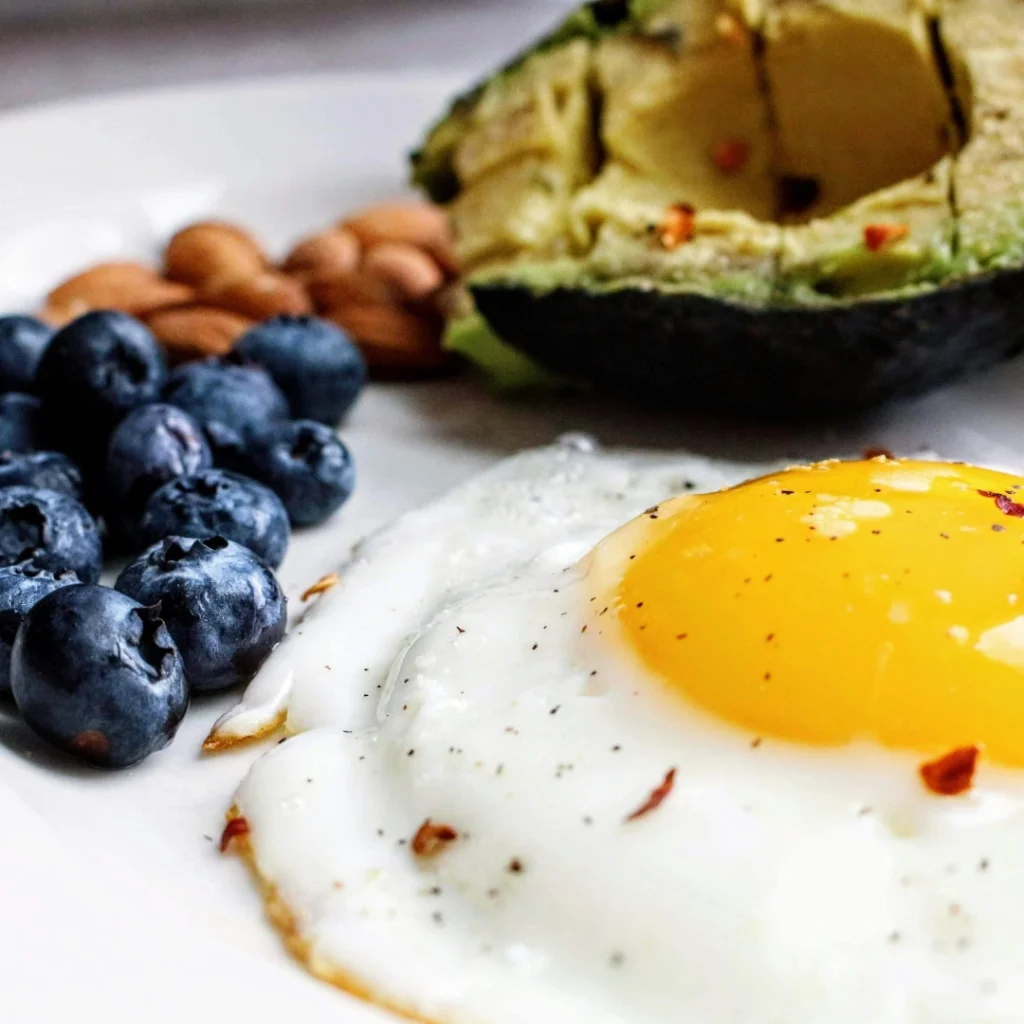
Low-carb fruits like berries can be consumed in moderation.
Is the keto diet safe?
For most healthy individuals, the is safe when followed correctly.
Conclusion: Is the Right for You?
The keto diet is a powerful and effective way to lose weight, improve energy levels, and support overall health. By shifting your body into a fat-burning state, it allows you to achieve sustainable results without constant hunger or energy crashes.
However, success with the depends on proper planning, consistency, and understanding your body’s needs. When followed correctly, it can become a long-term lifestyle rather than just a short-term diet.
If you are looking for a structured and effective approach to weight loss and better health, the keto diet is definitely worth considering.
Disclaimer
This article is intended for informational purposes only and should not replace professional medical advice. Always consult a healthcare provider before starting the keto diet, especially if you have any existing health conditions.