
Essential Elements of Modern Minimalist Home Decor
Key Features of Modern Minimalist Home Decor Style
In today’s fast-paced world, our homes often become filled with clutter, distractions, and unnecessary items. The philosophy behind modern minimalist home decor offers a refreshing alternative. Instead of filling every corner with furniture and decorations, minimalism encourages thoughtful design, clean spaces, and purposeful living.
Minimalist interiors focus on simplicity, functionality, and calmness. By removing excess and highlighting essential elements, you can create a home environment that feels peaceful, stylish, and balanced.
Modern minimalist home decor is more than just a design trend—it’s a lifestyle approach that helps people focus on what truly matters while maintaining an elegant and functional living space.
What Is Modern Minimalist Home Decor?
Modern minimalist home decor combines contemporary design principles with the philosophy of minimalism. The goal is to create a space that feels open, organized, and visually calming.
Instead of excessive decorations or bulky furniture, minimalist interiors rely on clean lines, simple shapes, and carefully selected pieces.
Minimalism doesn’t mean living in an empty space. Rather, it means choosing items intentionally so that each element contributes to the overall beauty and function of the room.
Key Features of Modern Minimalist Home Decor
Several characteristics define the minimalist design style:
- Clean and simple lines
- Neutral color palettes
- Functional and purposeful furniture
- Open and breathable spaces
- Natural materials such as wood and stone
- Abundant natural lighting
These elements work together to create a calm and visually balanced environment.
Benefits of Modern Minimalist Home Decor
Choosing minimalist decor offers more than just a beautiful home. It can also improve your mental well-being and everyday lifestyle.
Reduced Stress and Mental Clarity
Cluttered environments often create mental distractions and stress. A minimalist home removes unnecessary visual noise, allowing your mind to relax and focus.
Easier Cleaning and Maintenance
Fewer decorative items and furniture pieces make cleaning much easier. Minimalist homes are simpler to maintain, saving time and effort in daily household chores.
Improved Focus and Productivity
A clean and organized space helps you stay focused and productive. This is particularly beneficial for home offices or creative workspaces.
Timeless Style
Unlike many design trends that quickly become outdated, modern minimalist home decor is timeless. Its simple aesthetic remains elegant and relevant for many years.
Essential Elements of Modern Minimalist Home Decor
To successfully create a minimalist home, it’s important to understand the core design elements that define this style.
Neutral and Natural Color Palettes
Minimalist interiors typically use soft and neutral colors such as:
- White
- Beige
- Cream
- Light gray
- Soft pastels
These shades create a bright and airy atmosphere while reflecting natural light throughout the space.
To avoid the room feeling flat or dull, combine different textures like wood, linen, stone, or cotton to add depth and warmth.
Functional and Purposeful Furniture
Furniture in a minimalist home should be both stylish and functional. Each item should serve a purpose rather than simply filling space.
Look for furniture pieces with:
- Clean lines
- Simple shapes
- Neutral fabrics
- Hidden storage options
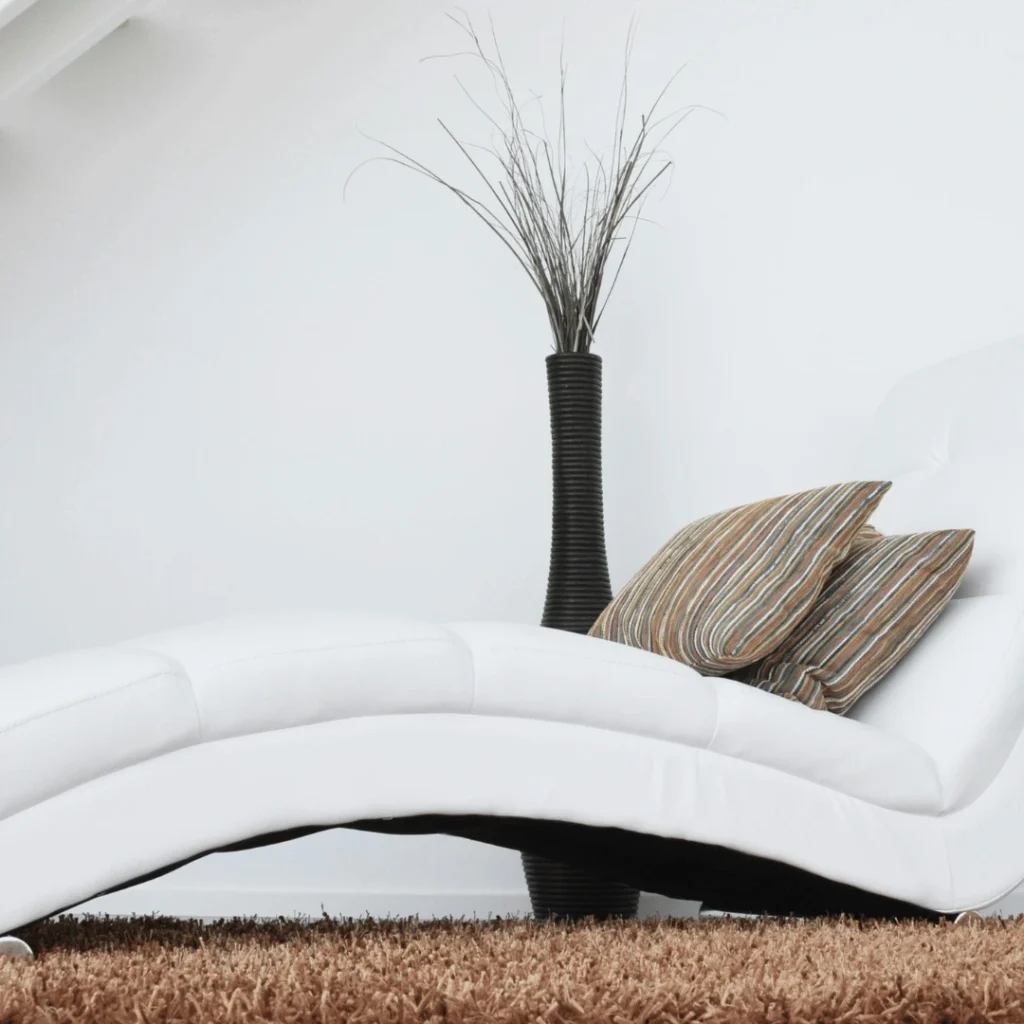
Examples include low-profile sofas, modular shelves, and streamlined dining tables.
Natural Light and Open Spaces
Lighting plays a significant role in modern minimalist home decor. Natural light helps create a sense of openness and calm.
Use sheer curtains or leave windows uncovered whenever possible. In the evening, soft lighting from floor lamps or pendant lights can enhance the minimalist atmosphere.
Decluttering and Smart Organization
Decluttering is the foundation of minimalist living. Begin by removing items you no longer use or love.
Smart storage solutions such as:
- Floating shelves
- Built-in cabinets
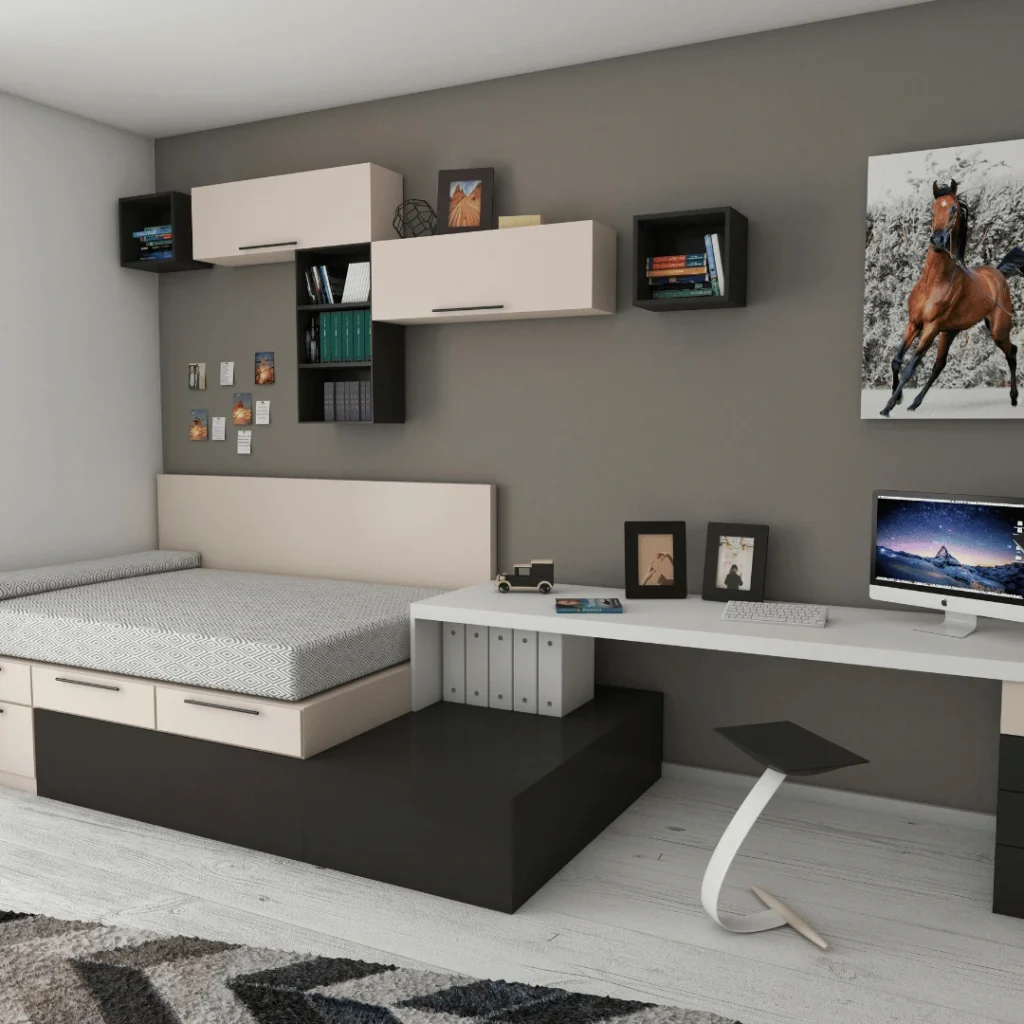
- Under-bed storage
help maintain a clean and organized environment without sacrificing functionality.
Minimal Art and Decorative Accents
Minimalist homes still allow room for personality and creativity. The key is choosing a few meaningful decorative pieces rather than filling the room with many accessories.
Examples include:
- A framed abstract painting
- A ceramic vase
- A textured rug
- A single indoor plant
These items can add warmth and character while preserving the minimalist aesthetic.
Applying Minimalist Decor in Different Rooms
Minimalism can be applied throughout the home while maintaining each room’s unique purpose and comfort.
Minimalist Living Room
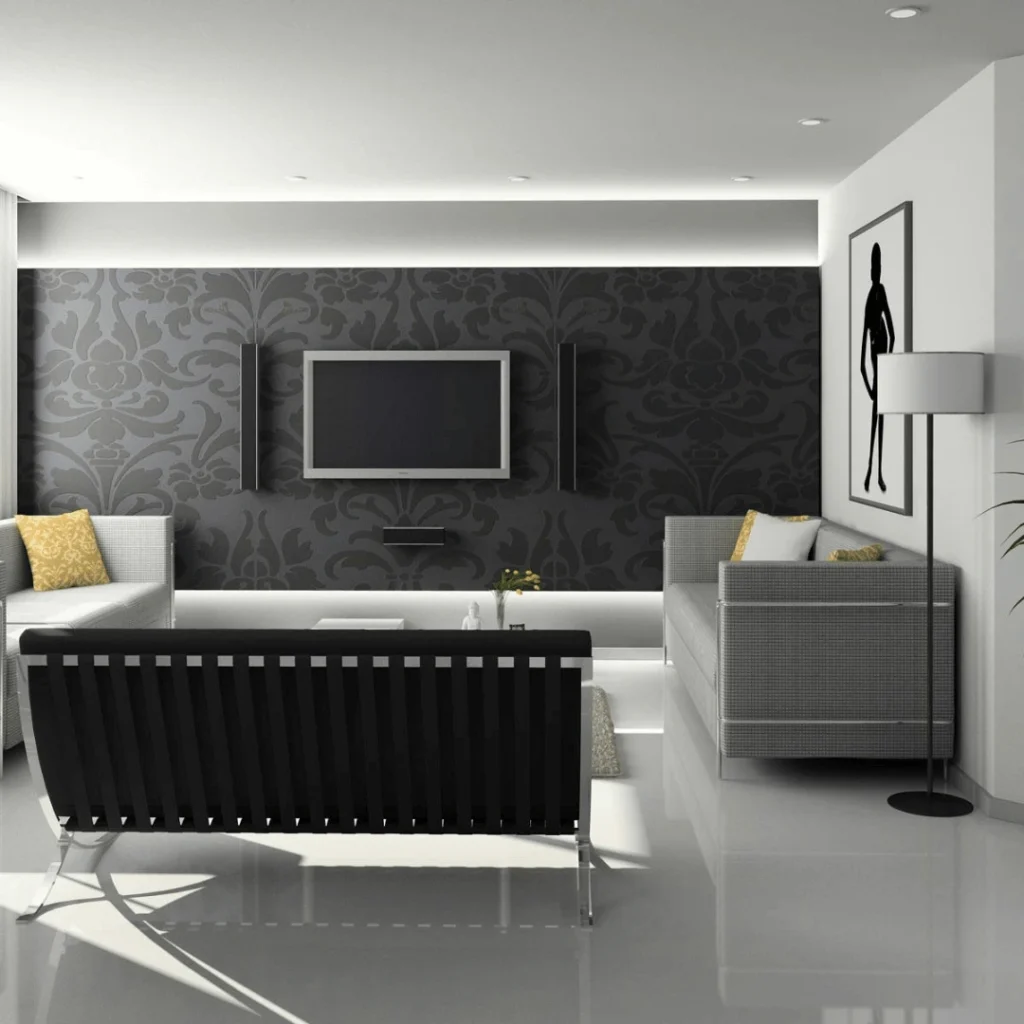
A minimalist living room should feel open, comfortable, and inviting.
Use a neutral color palette, simple seating arrangements, and a clean coffee table. Limit wall decorations to one or two statement pieces to avoid visual clutter.
Minimalist Bedroom
The bedroom should serve as a peaceful retreat. Keep furniture minimal—typically a bed, bedside tables, and perhaps a dresser.
Choose soft bedding, breathable fabrics, and warm lighting to create a relaxing environment.
Minimalist Kitchen
In a minimalist kitchen, functionality takes priority. Keep countertops clear and store appliances when not in use.
Open shelving with neatly arranged dishes can add beauty without overwhelming the space.
Minimalist Bathroom
Minimalist bathrooms focus on simplicity and cleanliness.
Floating vanities, frameless mirrors, and neutral tones help create a spacious and elegant look.
Minimalist Home Office
A minimalist workspace helps reduce distractions and improve productivity.
Use a simple desk, ergonomic chair, and adequate lighting. A single piece of art or a motivational quote can provide inspiration without clutter.
Common Mistakes in Minimalist Home Decor
While minimalist design is simple, certain mistakes can make a space feel uncomfortable or incomplete.
Making the Space Too Cold
Minimalism should feel warm and inviting. Use soft textures, warm lighting, and natural materials to maintain comfort.
Ignoring Texture
Combining different textures—such as fabric, wood, and metal—adds depth and prevents the space from feeling flat.
Overdecorating
Minimalism relies on restraint. Choose only a few meaningful decorative items instead of filling the room with accessories.
Removing Too Much Furniture
A minimalist home should still be functional and comfortable. Avoid removing essential furniture simply for the sake of simplicity.
Affordable Ways to Achieve Modern Minimalist Home Decor
You don’t need a large budget to create a minimalist home. Small changes can make a significant difference.
Simple ideas include:
- Painting walls in neutral colors
- Rearranging furniture to improve space flow
- Donating unused items
- Replacing heavy curtains with sheer drapes
- Adding low-maintenance plants like snake plants or succulents
Minimalism is less about spending money and more about making intentional choices.
Emotional Benefits of Minimalist Living
A minimalist home promotes emotional well-being. When your environment is organized and uncluttered, your mind tends to feel calmer and more focused.
Many people who adopt modern minimalist home decor report experiencing:
- Better sleep
- Reduced stress
- Increased productivity
- Greater appreciation for meaningful possessions
Minimalism encourages mindfulness and helps shift focus from material accumulation to meaningful living.
Conclusion – The Beauty of Simplicity
Modern minimalist home decor offers a powerful way to create a peaceful and balanced living environment. By removing unnecessary clutter and focusing on essential elements, you can transform your home into a space that supports relaxation, clarity, and comfort.
Minimalism does not mean living with nothing—it means living with intention. By choosing quality over quantity and simplicity over excess, you can design a home that reflects your personality while promoting harmony and well-being.
Whether you start with one room or redesign your entire house, embracing minimalist decor can help you create a more beautiful and meaningful home.
Disclaimer:
This article is intended for informational and educational purposes only. Home design preferences and decor choices vary depending on personal taste, lifestyle, and budget. The ideas presented in this article are general suggestions and may not suit every home environment. Always consider your individual needs and consult professional interior designers when making major home decor decisions.