

I thought I would share something I learned with you when I went to fitness class yesterday. So I’m sharing some of the things I discovered here. Will fitness technologies be useful in the future?
The future of fitness technology is evolving rapidly, moving far beyond simple step counters and heart rate monitors. For many years, fitness devices lived primarily on our wrists, tracking daily activity, calories burned, and sleep patterns. However, as we move deeper into 2025 and beyond, the fitness landscape is undergoing a remarkable transformation driven by innovation in artificial intelligence, virtual reality, smart fabrics, and sustainable technology.
Today, technology does more than monitor fitness progress. It actively participates in the fitness journey, providing real-time coaching, personalized insights, immersive training environments, and even eco-friendly workout solutions. From virtual reality workouts to AI-powered clothing, the modern fitness ecosystem is becoming more intelligent, interactive, and responsive.
The new generation of fitness technology focuses on holistic wellness, blending physical performance, mental health, and environmental responsibility. Smart devices are now capable of understanding how our bodies move, respond to stress, and recover after exercise. These technologies help individuals train smarter, avoid injuries, and achieve long-term health goals more efficiently.
As the future of fitness technology unfolds, it promises a more connected and personalized fitness experience that adapts to each individual’s needs. This article explores the most important trends shaping the next generation of fitness innovation.
The Rise of Immersive Fitness Experiences
Virtual Reality Workouts Are Changing Exercise
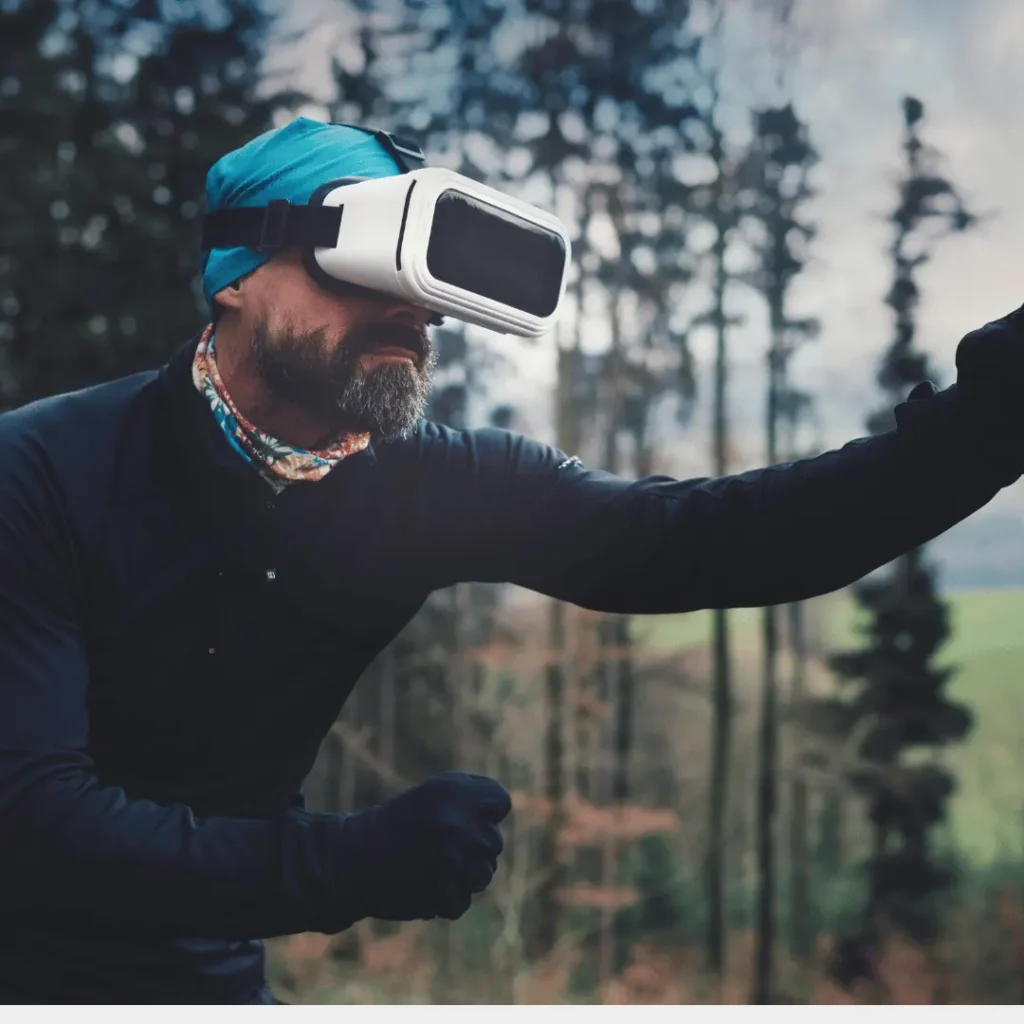
One of the most exciting developments in the future of fitness technology is the emergence of immersive workouts powered by virtual reality (VR). Instead of exercising in a traditional gym environment, users can now enter digital worlds where fitness feels more like an adventure.
Virtual reality platforms allow people to run through scenic landscapes, participate in virtual boxing matches, or perform high-intensity workouts in futuristic environments. These experiences are designed to make exercise engaging, interactive, and motivating.
Users wear VR headsets and motion sensors that track body movements in real time. The system translates these movements into actions inside the virtual environment, creating an engaging workout that feels more like a game than a routine.
Augmented Reality for Real-Time Training Feedback
While VR creates entirely digital workout environments, augmented reality (AR) blends digital elements with the physical world. AR technology can overlay information onto your real surroundings during workouts.
For example, AR systems can display posture corrections, movement guidance, and performance statistics while you exercise. A runner might see their pace projected along the path ahead, while a weightlifter could receive instant feedback on lifting technique.
Why Immersive Fitness Matters
Immersive fitness technology offers several advantages:
- Higher engagement levels: Gamified workouts make exercise enjoyable.
- Better motivation: Interactive environments encourage consistency.
- Improved focus: Immersive experiences reduce distractions.
As technology advances, AI-powered VR workouts will adapt in real time based on fatigue levels, heart rate, and performance metrics.
Smart Wearables and Intelligent Clothing
The Evolution from Trackers to Smart Textiles
Traditional fitness trackers paved the way for wearable technology, but the future of fitness technology is now moving toward intelligent clothing. These advanced garments contain embedded sensors that collect detailed biometric data.
Smart textiles can measure muscle activity, breathing patterns, posture alignment, and even body temperature. This information provides deeper insights into how the body performs during exercise.
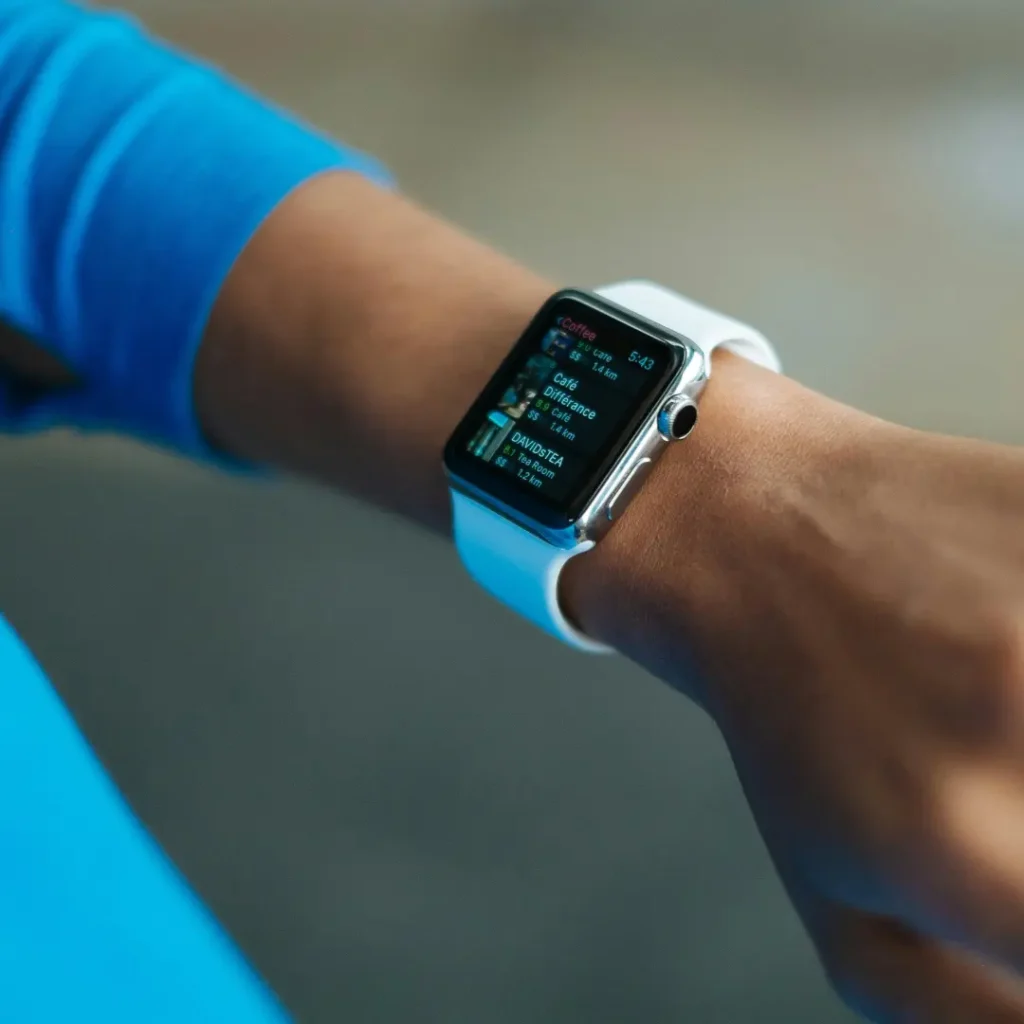
Image Example
(Image 1 – Smart fitness wearable technology)
Alt text: Smart wearable fitness technology tracking heart rate and performance
Biometric Clothing for Athletes and Everyday Users
Several innovative companies are already developing smart garments capable of monitoring complex physical metrics. These garments provide continuous feedback that helps users improve performance and prevent injuries.
Examples of smart clothing capabilities include:
- Monitoring muscle activation levels
- Tracking breathing and oxygen intake
- Detecting fatigue or overtraining
- Measuring hydration levels
For athletes, these insights are extremely valuable because they help refine training strategies and optimize recovery.
AI Coaching Through Wearables
Wearable devices are becoming integrated with artificial intelligence platforms that analyze biometric data and provide personalized coaching.
Instead of simply reporting statistics, AI systems interpret the data and recommend training adjustments. For instance, the system might suggest reducing workout intensity or increasing recovery time if fatigue indicators appear.
Sustainable Fitness and Eco-Friendly Gyms
The Environmental Impact of the Fitness Industry
As awareness of environmental issues grows, sustainability has become an important part of the future of fitness technology. The fitness industry traditionally consumes large amounts of energy and materials, from gym equipment to synthetic clothing.
Innovators are now developing eco-friendly solutions that reduce environmental impact while maintaining high performance standards.
Energy-Generating Fitness Equipment
Some modern gym equipment is designed to generate electricity while people exercise. When users run on a treadmill or cycle on a stationary bike, the kinetic energy produced can be converted into usable electrical power.
Image Example
(Image 2 – Sustainable gym equipment generating energy)
Alt text: Eco-friendly gym equipment generating electricity from workouts
These innovations contribute to sustainable energy systems while encouraging physical activity.
Sustainable Fitness Facilities
Many gyms are now adopting environmentally responsible designs. These facilities use renewable materials, energy-efficient lighting, and natural ventilation systems to reduce their carbon footprint.
Sustainable gym features may include:
- Recycled flooring materials
- Solar-powered lighting systems
- Energy-efficient air circulation
- Water-saving equipment
Eco-Friendly Activewear
Fitness apparel brands are also embracing sustainability by producing clothing made from recycled plastics, organic fibers, and biodegradable materials.
Consumers increasingly prefer brands that align with their environmental values, making sustainability an essential element of future fitness innovation.

Data Privacy and Ethical Fitness Technology
The Growing Importance of Data Protection
As the future of fitness technology becomes more advanced, wearable devices collect increasingly detailed biometric information. This includes heart rate, sleep patterns, body temperature, and movement behavior.
While this data provides valuable health insights, it also raises concerns about privacy and security.
Image Example
(Image 3 – Digital health data privacy concept)
Alt text: Fitness technology data privacy and biometric tracking security
Users must trust that their personal information is stored securely and used responsibly.
Ethical Data Practices in Fitness Tech
Forward-thinking technology companies are implementing stronger data protection policies. These include encrypted data storage, transparent privacy policies, and user-controlled sharing settings.
Some developers are exploring blockchain technology to ensure secure and transparent data ownership.
User Control Over Personal Data
Future fitness platforms will likely allow users to choose how their information is stored, shared, and analyzed. This ensures that individuals maintain control over their health data.
Smart Ecosystems and Connected Fitness Platforms
The Integration of Multiple Technologies
The future of fitness technology is not just about individual devices but about entire ecosystems that work together seamlessly. Smart devices will communicate with each other to create a personalized fitness environment.
For example:
- Smart clothing monitors muscle fatigue
- AI coaching apps analyze performance
- VR workouts adjust intensity automatically
- Recovery systems recommend rest strategies
AI-Driven Personal Training Systems
Artificial intelligence will play a central role in coordinating these technologies. AI platforms will analyze data from multiple devices and create customized workout plans tailored to each user’s goals and physical condition.
This approach provides a highly personalized fitness experience that evolves continuously.
The Human Element in Technology-Driven Fitness
Despite rapid technological advancement, the future of fitness technology still relies on human motivation and discipline. Technology enhances training experiences but does not replace the personal effort required to achieve fitness goals.
The most successful fitness technologies are those that support human behavior rather than replace it.
Balancing Technology and Wellness
Fitness innovation should focus on improving quality of life rather than creating unnecessary complexity. When used responsibly, technology can encourage healthier habits and support mental well-being.
For example:
- AI coaching reduces workout guesswork
- Smart wearables prevent overtraining
- Immersive workouts increase motivation
These tools help people stay consistent with their fitness routines.
The Future of Fitness Technology in 2030 and Beyond
Looking ahead, the future of fitness technology will likely include even more advanced innovations. Scientists and engineers are exploring new possibilities such as bio-integrated sensors, neural interfaces, and adaptive training environments.
Future technologies may include:
- Smart fabrics that regulate body temperature
- AI systems that predict injuries before they occur
- Fully immersive fitness simulations
- Personalized health ecosystems
These advancements will transform how individuals train, recover, and maintain overall health.
Conclusion
The future of fitness technology represents a powerful combination of innovation, personalization, and sustainability. From immersive virtual workouts to intelligent clothing and eco-friendly gyms, technology is redefining how people approach health and exercise.
Fitness technology is no longer limited to simple tracking devices. It has become an integrated system that supports physical performance, mental well-being, and environmental responsibility.
As these innovations continue to evolve, they will make fitness more engaging, accessible, and effective for people around the world.
The next generation of fitness is not just wearable—it is immersive, intelligent, and deeply connected to the way we live.vable.